What is Dementia? A Guide to Symptoms, Types, and Causes

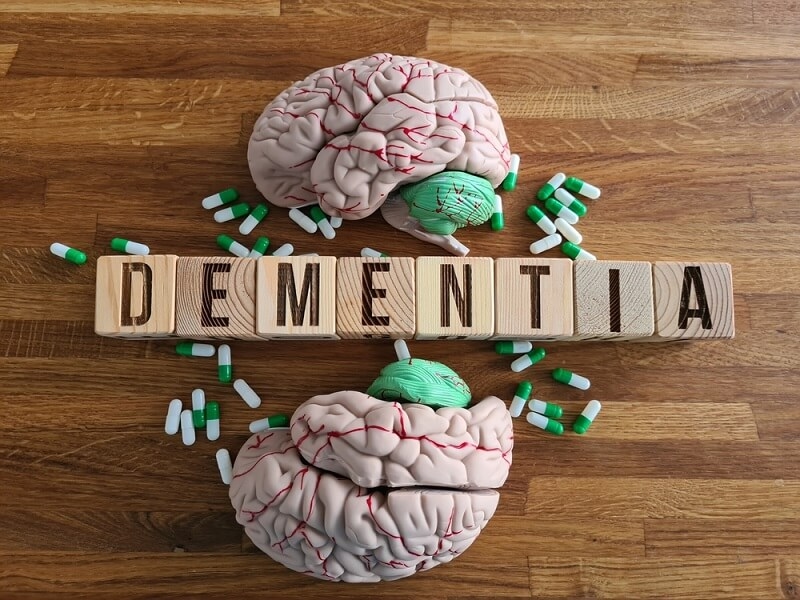
A common question people start asking when memory or thinking feels different is ‘What is dementia?’. Dementia is a condition that affects how the brain works and how daily life is handled.
This blog will help you understand dementia symptoms, the different types of dementia, and their causes. You can also refer to this blog to find out about the different dementia treatments and stages of dementia.
Must Read: Self-Care and Support: 20 Tips for Living with Dementia
What is Dementia?
Dementia is a condition where the brain slowly loses its ability to think clearly, remember information, and manage everyday activities. This happens when brain cells stop working as they should and fail to send messages properly. Over time, these changes affect how a person understands the world around them.
Dementia is not one single illness. It is a general term used to describe several brain conditions that share similar symptoms. While dementia is more common as people grow older, it is not a normal part of aging. Many older adults live full lives without ever developing dementia.
As the condition progresses, daily tasks become harder. Familiar routines may feel confusing. Decisions may take longer. Understanding what is dementia helps families notice early signs and plan support before daily life becomes overwhelming.
Top 5 Dementia Symptoms That People Should Know
Dementia symptoms often appear slowly and may be easy to miss at first. Knowing these signs early helps people respond with care and patience.
Memory Loss That Affects Daily Activities
This goes beyond forgetting names once in a while. A person may forget recent events, repeat the same stories, or ask the same questions again and again. Over time, this memory loss makes work, home tasks, and conversations more difficult.
Problems With Speaking and Understanding
People may struggle to find simple words or follow conversations. They may stop mid-sentence or lose track of what they were saying. These dementia symptoms can make communication tiring and may lead to social withdrawal.
Confusion About Time and Place
A person may forget dates, days, or where they are. Even familiar places can feel unfamiliar. This confusion can create fear and increase the risk of getting lost.
Noticeable Changes in Mood and Behavior
Mood swings may appear without a clear reason. Anxiety, sadness, irritation, or lack of interest can become more common. These dementia symptoms can affect relationships and daily comfort.
Difficulty Managing Familiar Tasks
Simple tasks like cooking, dressing, or following a routine may become challenging. Steps may be forgotten, or tasks may be done incorrectly, even if they were once easy.
What Are the Different Types of Dementia?
The types of dementia explain why symptoms and progression can differ between individuals. Each type that is listed in the following list can affect the human brain in a different way:
1. Alzheimer’s Related Dementia
This is the most common type of dementia. Memory problems usually appear first, followed by trouble with thinking and judgment. Symptoms slowly increase and affect daily independence.
2. Vascular Dementia
This type develops when blood flow to the brain is reduced. It may follow strokes or blood vessel damage. People may experience slower thinking, poor focus, and difficulty planning daily activities.
3. Lewy Body Dementia
This type affects attention, movement, and sleep. A person may feel alert one moment and confused the next. Visual confusion and movement changes are also common.
4. Frontotemporal Dementia
This is a type that can impact your behavior and communication. It can result in personality changes and poor judgment. This can even create issues like speech problems; however, the memory may remain stable at first.
3 Common Dementia Causes Among People
Dementia causes are linked to damage inside the brain. Understanding these causes helps explain how the condition develops over time.
1. Damage to Brain Cells
Many dementia causes involve slow damage to brain cells. When these cells stop working properly, signals in the brain break down. This leads to problems with memory, thinking, and behavior.
2. Reduced Blood Flow to the Brain
Poor blood supply limits oxygen and nutrients reaching the brain. Over time, this damage affects attention, planning, and clear thinking.
3. Other Health-Related Conditions
Some infections, head injuries, or a lack of important nutrients can lead to dementia symptoms. In certain cases, these dementia causes may be managed if found early.
Understand the Different Methods of Dementia Treatment
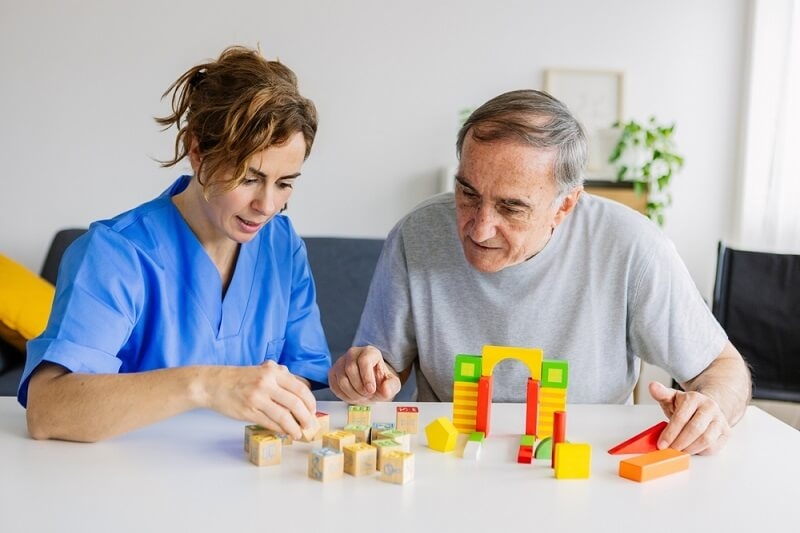
Dementia treatment focuses on managing symptoms and improving daily comfort. While it does not cure the condition, it helps support quality of life.
Medical Support
Healthcare providers may suggest treatments that support memory, thinking, or mood. These treatments aim to slow symptom progression and manage daily challenges.
Support Through Daily Routines
Simple routines help reduce confusion. Regular meals, gentle activity, and mental engagement play an important role in dementia treatment.
Emotional and Social Support
Calm surroundings and familiar people provide reassurance. Emotional support helps manage fear, stress, and mood changes linked to dementia.
Top Pick: Early Signs of Dementia: What You Need to Know
What Are the Different Stages of Dementia?
You can find out the different stages of Dementia in the following list:
Early Stage Dementia
You will notice that these symptoms are mild in this stage. This can cause memory lapses sometimes; however, you can still handle your daily tasks properly with reminders and planning.
Middle Stage Dementia
This is a stage where confusion becomes more noticeable for people. Therefore, external support from others becomes extremely important for the patients to complete their daily activities and decision-making. This is the reason routines become extremely important.
Late Stage Dementia
This is the last stage where problems become clear and force people to seek full-time support for even doing the most basic things. You will notice that the communication becomes limited, and assistance is needed for eating and basic care.
3 Practical Tips for Dementia Care
It is essential to understand that dementia care is focused on safety and comfort. The following small daily actions can make a meaningful difference:
1. Create a Safe and Familiar Space
Clear walkways, good lighting, and familiar objects help reduce confusion. A stable environment supports calm behavior and safety.
2. Communicate With Patience and Clarity
Use short sentences and simple words. Speak calmly and allow extra time for responses. Good communication is a key part of dementia care.
3. Focus on Emotional Comfort
Reassurance, gentle routines, and familiar activities help reduce fear. These steps support emotional well-being and daily comfort.
Conclusion
Dementia can impact your memory and ability to think, which can make it tough for you to do all the daily life tasks. This is the reason a proper understanding of this condition can help families to prepare better and take care of the patient appropriately. This blog explains the common symptoms, causes, and stages of dementia, and also explains the different care steps for families.
This content was created by AI