What Are Respiratory Allergies, and How Can You Manage Them?

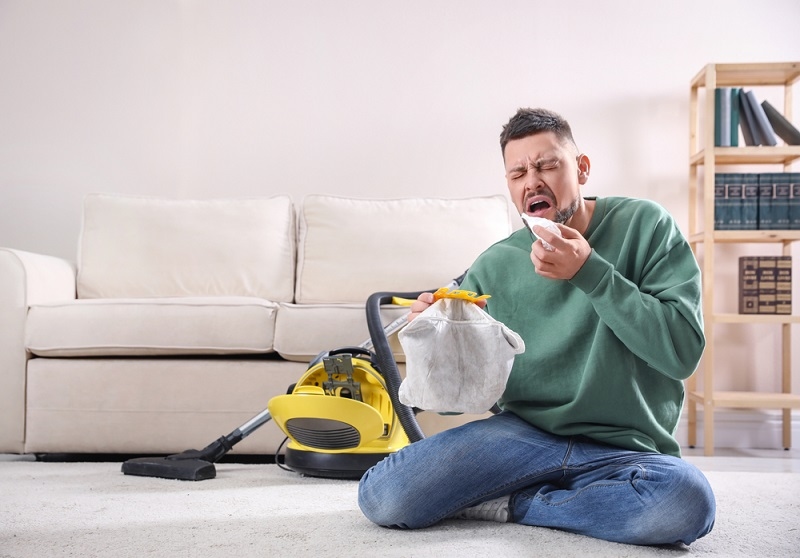
Given the world we live in today, in this day and age, everything around us is full of pollution and chemicals. And respiratory allergies are nothing but an outcome of the world we created. You might think it’s just a seasonal cold or irritation from the weather. But it is not! Some often complain they get runny noses every time the pollen count rises, or they notice sneezing fits when cleaning a dusty room.
Have you too witnessed similar things with yourself or someone from your group?
If you have, then these small reactions can actually be signs that your body is responding to allergens in the air.
Unlike a regular cold that disappears in a few days, respiratory allergies tend to stick around as long as the trigger is present. For some people, symptoms show up only during certain times of the year. While others deal with them more regularly because of indoor allergens like dust mites or mold.
These might feel scary at first, but the good news is that once you understand respiratory allergies, it becomes much easier to manage them. Today, in this article, we are about to discuss respiratory allergies symptoms, respiratory allergy causes, and the available respiratory allergy test options so people can take simple steps that make everyday breathing feel a lot easier.
What Are Respiratory Allergies?
Respiratory allergies are a condition of the immune system when it reacts to substances in the air and causes your body to treat them like undesired substances and react. It can be anything from pollen, dust, mold spores, or tiny particles from pet skin called "dander." And these are often called allergens.
When someone with respiratory allergies breathes in these allergens, the immune system treats them like harmful invaders. In response, the body releases chemicals such as histamine. This reaction leads to inflammation in the nose, throat, and sometimes the lungs, which is why symptoms like sneezing, congestion, and coughing appear.
Some respiratory allergies show up during certain seasons when pollen levels are high. Others can happen all year because of indoor triggers. Either way, the reaction is the body’s way of trying to protect itself, even though the allergens themselves are harmless.
Essential Reading: Understanding Hay Fever: Triggers, Signs, and Relief
What Are Some Of The Respiratory Allergy Causes?
Respiratory allergies are no foreign disease. Its causes are linked to the environment around us. It can be anything in the air that can trigger reactions in people who are sensitive to them. While the allergy triggers may seem ordinary, the immune system of someone with allergies reacts much more strongly. Recognizing these triggers is the first step in controlling respiratory allergies. Once an individual knows what causes their symptoms, they can start making small changes that reduce exposure.
Some common respiratory allergy causes include:
- Pollen from trees, grasses, and weeds, especially during spring and fall.
- Dust mites that hide in bedding, pillows, and carpets are a common allergen.
- Mold spores grow in damp places such as bathrooms or basements.
- Pet dander from animals like cats and dogs is another common factor in respiratory allergies.
- Smoke, pollution, or chemical fumes that irritate the airways of the sensitive person.
- Family history of allergies, which increases the chances of developing them.
What Are Respiratory Allergies Symptoms?
Respiratory allergy symptoms are different for each person. Some people just get a little bothered, while others have symptoms that are really bad and do not go away. Respiratory allergy symptoms often get worse when a person is around the thing that causes their respiratory allergy symptoms. For example, someone who is allergic to pollen will probably notice respiratory allergy symptoms when they are outside during certain times of the year.
Common respiratory allergy symptoms include
- Sneezing that happens for no reason
- A nose that is runny or blocked
- Eyes that are itchy or watery
- A cough that is dry and will not go away
- A little trouble breathing
- Feeling tight in the chest
- Postnasal drip that bothers the throat
- Feeling tired because respiratory allergy symptoms keep you awake at night and disrupt your sleep. Respiratory allergy symptoms can be really annoying. Make you feel tired all the time.
What Are Respiratory Allergy Tests?
When someone has breathing problems that do not get better, they usually have to take some tests. These tests help doctors figure out what is causing the allergies. The tests show what exactly is causing the problem. This way, doctors can treat the person for the thing that is causing the allergy. The person can get better when the doctor knows what the problem is.
The tests are important because they help doctors understand what the person is allergic to. This means the doctor can give the person the treatment for their specific allergy. The person can feel better when they get the treatment for their allergy.
Skin Prick Test
The skin prick test is something doctors use a lot to check for breathing allergies. They put drops of things that might cause allergies on the skin and then prick that spot very gently. If the skin gets a bump, that usually means the person is sensitive to that thing, the allergen. The skin prick test is a common way to figure out what people are allergic to.
Blood Test
A blood test can help figure out if you have allergies by checking the amount of antibodies that are connected to allergic reactions. This test, for allergies that affect your breathing, is often used when they cannot do a skin test.
Pulmonary Function Test
Sometimes, respiratory allergies affect breathing more seriously. In such cases, a pulmonary function test may be used to check how well the lungs are working and whether airflow is restricted.
Must Read: Understanding What Is Lupus & Identifying its Early Signs
How To Get Rid Of Respiratory Allergies?
It is better to understand that allergies don't really go away, but they can be eliminated, and the symptoms can usually be managed very effectively with the right approach. These steps may seem simple, but they can make a noticeable difference in reducing allergy flare-ups. Here are some helpful ways to reduce respiratory allergies:
- To deal with allergies, it is an idea to avoid things that can trigger them whenever you can. For example, try to stay indoors when there is a lot of pollen in the air.
- You should also keep your home clean. This means you have to get rid of dust.
- Using a machine that makes the air in your home cleaner is an idea, too.
- It is also important to wash your bedding. This helps get rid of bugs that can make you feel sick.
- If you are feeling sick, you can take medicine that a doctor recommends.
- Allergy shots are another option if you are always feeling sick from allergies.
- Occasional sneezing or mild irritation might not require medical attention. However, persistent respiratory allergies symptoms should not be ignored, especially when they start affecting daily life.
When Should You See A Doctor For Respiratory Allergies?
If your symptoms go on for weeks, they can disturb your sleep or make breathing uncomfortable; you should see a doctor. Allergies can sometimes cause asthma symptoms, for example, wheezing or feeling like your chest is tight.
A doctor can help you figure out which respiratory allergy test you need and suggest a treatment plan that deals with your allergy triggers.
Know More: COPD Made Clear: Causes, Symptoms, and Treatment Options
Conclusion
Respiratory allergies are pretty common. They can really get in the way of your daily life if you do not take care of them. You need to know what the symptoms of allergies are. You have to figure out what is causing your allergies. Getting a respiratory allergy test when you need it can make a difference.
If you know what you are dealing with, you can make some changes to your life and get the right treatment. This way, a lot of people can control their allergies and breathe easier. Respiratory allergies can be managed with treatment and some simple lifestyle changes. People with allergies can feel better and breathe more comfortably.
FAQs
What Are The Most Common Respiratory Allergy Symptoms?
Respiratory allergies symptoms often include sneezing, nasal congestion, coughing, itchy eyes, and breathing discomfort caused by allergens like pollen or dust.
How To Get Rid Of Respiratory Allergies Naturally?
To get rid of respiratory allergy symptoms, one has to reduce exposure to allergens, maintain clean indoor spaces, improve air quality, and follow medical advice, which can help manage respiratory allergies naturally.
What Is The Most Accurate Respiratory Allergy Test?
Skin prick tests and blood tests are commonly used respiratory allergy tests that help doctors identify the specific allergens causing allergic reactions.
This content was created by AI