What is Moyamoya Disease and How is It Treated for Recovery?

Quick Takeaways
- Learning about moyamoya disease helps patients recognise early progressive blockages in major internal carotid arteries supplying vital brain tissue.
- The Japanese term "Moyamoya" translates to "puff of smoke", describing the tangled network of tiny collateral vessels that form to compensate for reduced blood flow.
- Clinical manifestations differ by age, with children often suffering transient ischaemic attacks triggered by crying, while adults face higher brain haemorrhage risks.
- Diagnostic confirmation requires advanced cerebral angiography, magnetic resonance imaging, and computed tomography angiography scans.
- Direct or indirect surgical revascularisation procedures remain the definitive treatment method to restore long-term cerebral blood supply.
Receiving a rare neurological diagnosis for yourself or a loved one can feel deeply overwhelming and terrifying. Understanding Moyamoya disease is a crucial first step toward securing timely medical care and protecting brain health before permanent damage occurs.
According to clinical neurology data published by the Cleveland Clinic, this progressive vascular disorder accounts for a significant percentage of paediatric strokes worldwide, particularly among individuals of East Asian descent, where prevalence reaches nearly 1 in 100,000 people.
When major arteries supplying blood to the brain narrow over time, the body attempts to adapt by sprouting tiny, fragile replacement vessels.
However, these delicate compensation networks are prone to clotting or leaking under pressure, putting patients at ongoing risk for ischaemic and hemorrhagic events. In this comprehensive medical guide, we will examine Moyamoya disease causes and symptoms, review how age influences clinical warning signs, explore diagnostic procedures, and detail modern surgical treatment options.
What is Moyamoya disease?
When patients ask what Moyamoya disease is, neurologists explain it as a rare, progressive cerebrovascular condition. It is characterised by the gradual narrowing and ultimate blockage of the main internal carotid arteries located at the base of the brain.
As these vital blood channels constrict, the brain starves for oxygenated blood. In response, tiny collateral blood vessels develop to bypass the blockage.
On a cerebral angiogram, this tangled, hazy network of tiny micro-vessels resembles a floating puff of smoke, which is the literal translation of Moyamoya in Japanese.
What are the Moyamoya disease causes and associated risk factors involved?
While the exact underlying trigger remains the subject of ongoing research, scientists have identified several genetic, autoimmune, and secondary health conditions associated with progressive vessel narrowing.
1. Genetic Mutations and Inherited Susceptibility
A primary genetic factor linked to condition development is the RNF213 gene mutation located on chromosome 17. This genetic marker is especially prevalent in Asian populations and points toward inherited vascular susceptibility, accounting for inherited family clusters.
2. Autoimmune and Inflammatory Disorders
Autoimmune conditions such as Graves' disease, systemic lupus erythematosus (SLE), and type 1 diabetes can trigger vascular wall inflammation. Chronic inflammation damages endothelial arterial linings, accelerating narrowing in internal carotid structures over time.
3. Secondary Moyamoya Syndrome Conditions
When characteristic vessel narrowing develops secondary to an existing medical condition, physicians classify it as Moyamoya syndrome. Associated underlying conditions include:
- Genetic Disorders: Down syndrome, Turner syndrome, and neurofibromatosis type 1 (NF1).
- Hematologic Diseases: Sickle cell anaemia and aplastic anaemia, which alter blood viscosity and arterial oxygenation.
- Previous Medical Therapies: Prior head or neck radiation therapy for paediatric brain tumours, which causes long-term radiation-induced vascular damage.
- Infectious and Cardiac Conditions: Central nervous system infections like tuberculous meningitis, as well as congenital heart defects.
Must Try: What are Genetic Disorders, Their Causes, and Treatments?
Symptoms of Moyamoya Disease in Children and Adults
Recognising warning signs early is essential to prevent irreversible neurological damage. Symptoms often present differently depending on patient age.
Symptoms of Moyamoya Disease in Children
Primary symptoms of Moyamoya disease in children revolve around temporary reductions in cerebral blood flow, known as transient ischaemic attacks.
- Hyperventilation Triggers: Crying, blowing on hot food, coughing, or physical exertion cause temporary vessel constriction, triggering sudden weakness.
- Transient Hemiparesis: Sudden weakness or numbness on one side of the face, arm, or leg that disappears after a few minutes.
- Involuntary Movements: Sudden choreic movements or uncontrolled muscle twitching in limbs.
- Developmental Delays: Learning difficulties, cognitive decline, or frequent headaches caused by chronic low blood flow.
Symptoms of Moyamoya Disease in Adults
Conversely, symptoms of Moyamoya disease in adults frequently involve haemorrhagic events due to fragile collateral vessel rupture.
- Sudden Hemorrhagic Stroke: Severe, sudden headaches accompanied by vomiting, confusion, or loss of consciousness due to internal bleeding.
- Seizures and Convulsions: Involuntary bodily spasms caused by localised brain tissue irritation.
- Aphasia: Sudden difficulty speaking, slurred speech, or trouble understanding verbal language.
- Visual Disturbances: Blurred vision, double vision, or sudden partial vision loss in one or both eyes.
How is Moyamoya Disease Diagnosed?
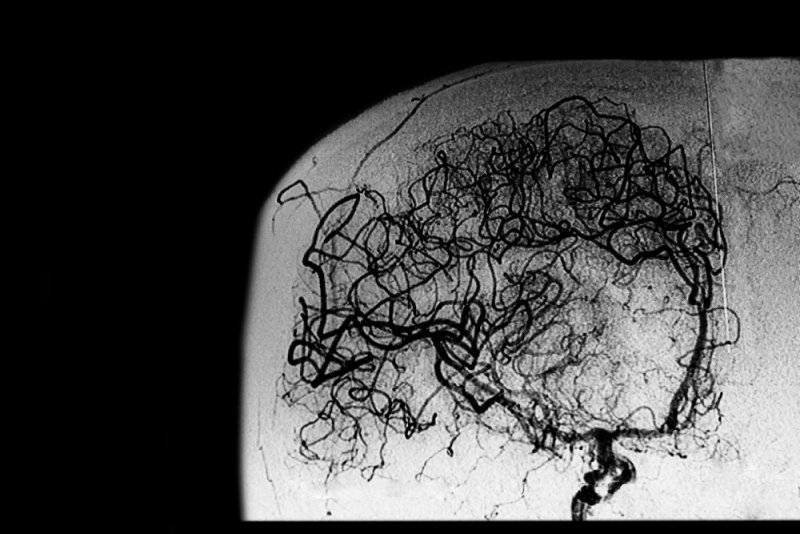
When evaluating suspicious neurological symptoms, physicians ask how Moyamoya disease is diagnosed. A definitive diagnosis requires specialised neuroimaging to evaluate arterial blockages and collateral blood flow.
| Diagnostic Stage | Medical Imaging Tool | Clinical Purpose & Insights |
| Initial Screening | Magnetic Resonance Imaging (MRI) & MRA | Noninvasively maps brain tissue health and detects arterial narrowing. |
| Flow Evaluation | CT Perfusion & SPECT Scans | Measures real-time blood volume and identifies oxygen-deprived brain zones |
| Definitive Benchmark | Catheter Cerebral Angiography | Gold-standard test confirming the classic "puff of smoke" vessel pattern |
Diagnostic imaging tools give specialists a complete map of cerebral circulation:
- Magnetic Resonance Imaging (MRI) and MRA: Non-invasive scans that detail brain tissue health and detect narrowing in major internal carotid arteries.
- Catheter Cerebral Angiography: The gold standard test where a thin tube guides contrast dye into brain vessels, revealing the classic puff-of-smoke vessel pattern.
- Computed Tomography (CT) Perfusion: Measures actual blood flow volume through different regions of brain tissue to assess ischaemic risk.
How is Moyamoya Disease treated?
Patients and families facing a new diagnosis naturally ask how Moyamoya disease is treated. Because medical therapy cannot reverse arterial narrowing, surgical revascularisation remains the primary long-term solution.
Surgical Revascularisation Strategies
Surgical Moyamoya disease treatment options focus on bypassing blocked arteries to restore a steady blood supply to oxygen-starved brain tissue.
| Surgical Approach | Medical Procedure Mechanics | Ideal Patient Candidate |
| Direct Revascularisation | Connects a scalp artery directly to a brain surface artery (STA-MCA bypass) | Adults needing immediate blood flow restoration |
| Indirect Revascularisation | Places blood-vessel-rich tissue onto the brain surface to grow new vessels. | Children whose tiny surface vessels make direct bypass difficult |
| Combined Revascularisation | Blends immediate direct bypass with indirect tissue placement | Complex adult or paediatric cases requiring robust long-term flow |
Supportive Medication Therapies
While surgery addresses structural blockages, physicians prescribe medications to manage daily risks. Blood thinners like low-dose aspirin help prevent blood clots in narrow vessels. Additionally, anti-seizure drugs and calcium channel blockers help manage headaches and reduce vascular spasms.
Try This: What is a Mini Stroke, and How do You Spot it Efficiently?
Conclusion
Understanding Moyamoya disease helps demystify a complex neurological condition and empowers families to seek specialised care quickly. Throughout this guide, we defined how carotid artery narrowing triggers fragile collateral vessel growth, reviewed distinct age-related symptoms, detailed diagnostic imaging procedures, and evaluated surgical revascularisation techniques.
Children frequently present with transient ischaemic attacks triggered by hyperventilation, whereas adults face higher risks of hemorrhagic events. Fortunately, modern neurosurgical bypass procedures offer outstanding long-term outcomes, effectively restoring cerebral blood flow and drastically reducing future stroke risks. Taking prompt action at the first sign of neurological changes protects brain health and ensures a bright, active future.
Are you seeking expert guidance on neurovascular health or specialised treatment options for a loved one? Connect with leading medical specialists today to access compassionate care and personalised treatment plans!
FAQs
Is moyamoya disease hereditary?
Yes, Moyamoya disease can have a hereditary component. Approximately ten to fifteen per cent of cases in East Asian countries exhibit a family history of the condition. Researchers have identified specific gene variations, such as the RNF213 gene, that increase susceptibility, though environmental factors also influence whether an individual ultimately develops the vascular disease.
Can moyamoya disease cause a stroke?
Yes, Moyamoya disease is a major cause of both ischaemic and haemorrhagic strokes. Ischaemic strokes occur when narrowed arteries restrict oxygenated blood flow to brain tissue. Hemorrhagic strokes happen when fragile, high-pressure collateral vessels rupture and bleed into the brain, making early surgical intervention vital to prevent permanent damage.
What life expectancy can patients expect after successful moyamoya surgery?
Following successful surgical revascularization, most patients achieve a normal life expectancy. Surgery effectively restores blood flow to the brain, reducing future stroke risks by up to ninety percent. Ongoing monitoring, healthy lifestyle habits, and routine neurological checkups help maintain excellent long-term quality of life for both pediatric and adult surgical patients.
What lifestyle modifications help manage moyamoya disease daily?
Patients should maintain consistent hydration, avoid severe physical exhaustion, manage stress levels, and refrain from activities that induce hyperventilation. Quitting smoking and managing systemic blood pressure are equally vital, as nicotine accelerates arterial damage and uncontrolled blood pressure increases the risk of fragile collateral vessel rupture.
Can moyamoya disease recur after surgical revascularization?
True recurrence in successfully bypass-treated brain regions is rare because the newly grafted blood vessels provide durable long-term blood flow. However, patients require periodic magnetic resonance angiography monitoring because the underlying disease can occasionally progress in untreated brain arteries or on the opposite side of the brain over time.
This content was created by AI