How to Manage Blood Sugar Levels? 8 Simple Everyday Habits

Key Takeaways
- Stick close to the target range your care team gives you, not someone else’s.
- Steady meals and smart carbs make blood sugar management far less stressful.
- A short walk after eating can blunt those post-meal spikes.
- Checking your numbers shows you what really moves them up or down.
- Water, sleep, and a few stress breaks matter more than you’d think.
Honestly, blood sugar advice can feel like a maze. Learning how to manage blood sugar levels isn’t about a perfect diet or an expensive gym. It’s about small choices you repeat. We’ll walk through food, movement, habits, and testing in plain words, so you can build something that fits your actual life.
What are Healthy Blood Sugar Levels?
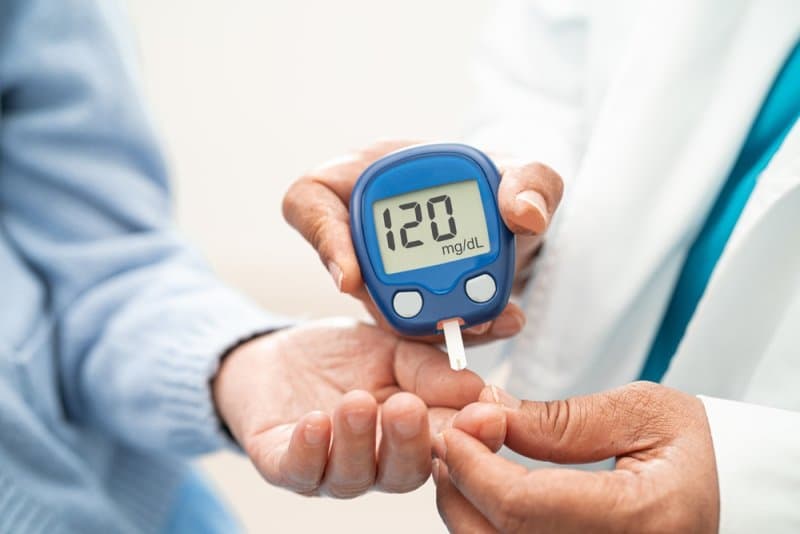
Healthy blood sugar levels vary with your age, health conditions, and medicines, so your doctor sets your personal target. The CDC does share typical goals for adults with diabetes, though, and they’re in the table. Anything under 70 mg/dL counts as low, and that needs attention fast.
| Check point | Reading |
| Before a meal | 80 to 130 mg/dL |
| Two hours after a meal starts | Under 180 mg/dL |
| Low blood sugar | Below 70 mg/dL |
How to Manage Blood Sugar Levels Naturally with Diabetes?
Natural doesn’t mean ditching your medicine. Think of lifestyle habits as backup for your treatment plan, not a replacement. The CDC puts healthy eating, a healthy weight, and regular activity at the heart of diabetes blood sugar control. Then you track, tweak, and learn what works for your body.
What Foods Help Manage Blood Sugar Levels Throughout the Day?
Carbs push blood sugar up more than protein or fat do, but you don’t have to give them up. Pair them with fiber and protein, and keep an eye on portions. The plate method makes that easy.
| Meal | Smart picks |
| Breakfast | Oats with berries and nuts |
| Lunch | Grilled chicken, beans, and a big salad |
| Snack | Apple slices with peanut butter |
| Dinner | Baked fish, brown rice, and steamed greens |
Craving something sweet? Reach for fruit. And swap juice or soda for plain water whenever you can.
Taking metformin? Long-term use can lower vitamin B12 absorption, so it’s worth asking your doctor about it.
Must Read: How to Find the Best Vitamin B12 Supplements for Energy?
How Does Exercise Help Control Blood Sugar Levels?
When you move, your muscles grab sugar from your blood for fuel, and numbers come down. Regular activity also helps your body respond better to insulin. And no, you don’t need brutal workouts.
A brisk 10-minute walk after meals does plenty for many people. Showing up matters more than going hard. If you use insulin or tend to run low, check your sugar before and after activity, because exercise can drop it fast.
What are the Best Daily Habits for Maintaining Healthy Blood Sugar Levels?
Forget grand resolutions. These three habits are practical ways to control blood sugar while keeping healthy blood sugar levels within reach. Pick one and start this week. Add the next when it feels natural. Honestly, slow and steady wins here.
Eat at Regular Times
Skipping meals can set you up for a low, and then you overeat later. Try eating at regular times and keeping portions steady. Planning tomorrow’s meals tonight makes it so much easier. Your numbers stay calmer when your day has a rhythm.
Take Stress Seriously
Stress can push blood sugar up, and it also tempts people to drop good routines. Prioritize tasks, and try a relaxation technique that you actually enjoy. Sleep counts too, since a rested body copes better. Check with your doctor before trying any supplements.
Also Read: Anxiety and Stress Relief Supplements: What Really Works?
Limit Alcohol and Skip Smoking
Alcohol can send blood sugar too high or too low, depending on how much you drink and whether you’ve eaten. If you do drink, keep it moderate and have food with it. Smoking makes control harder as well, so quitting helps. Your heart will thank you for both.
How Often Should People with Diabetes Check Their Blood Sugar?
It depends on your diabetes type and your medicines. The CDC lists these common check times:
- When you first wake up, before eating or drinking
- Before a meal
- Two hours after a meal
- At bedtime
People with type 1 diabetes, people using insulin, and anyone with frequent lows may need more checks. A meter or a continuous glucose monitor (CGM) both work, but CGM users still need a daily meter test. Ask your care team what makes sense for you.
Jot your numbers in a notebook or an app so patterns show up. One weird reading isn’t a failure. The pattern tells the real story.
What Makes Blood Sugar Swing Up or Down?
Highs often follow illness, stress, a bigger meal than usual, or too little insulin. Lows tend to follow a missed meal, extra medicine, unplanned activity, or alcohol. Feeling sick with a reading of 240 mg/dL or higher? Test for ketones, and call your doctor if they’re high.
What Does a Blood Sugar-Friendly Day Actually Look Like?
It’s much easier to manage your blood sugar when you can picture a real day. So here’s a simple sketch to get you started. It’s not a rulebook, so feel free to adjust it, ideally with your care team.
- Morning: Before you do anything else, check your blood sugar. Then have a breakfast with some real protein in it, like eggs, Greek yogurt, or whatever suits you.
- Midday: At lunch, try filling half your plate with vegetables. It’s a simple way to keep things balanced without counting anything.
- After meals: A short walk goes a long way. Even ten minutes around the block can help.
- Evening: Give yourself time to slow down. Find a way to ease the day’s stress, and try not to graze on snacks late at night.
- Bedtime: Check your sugar one more time, then aim for a steady, good night’s sleep.
The Bottom Line
Managing blood sugar isn’t about being perfect. It’s about showing up for a few steady habits: eating balanced meals, moving after you eat, checking your numbers when you’re supposed to, and not letting stress take over.
Talk through your plan with your doctor, adjust as you learn what works for you, and be patient with yourself. If it all feels like a lot, just pick one habit this week. Once it feels natural, add another.
This article is for general information and doesn’t replace advice from a healthcare professional.
Frequently Asked Questions
Can stress raise blood sugar?
Yes, it can. Stress pushes blood sugar higher, and it often wrecks meals, sleep, and medicine routines too. Relaxation, decent sleep, and realistic limits on your to-do list protect your numbers during hectic stretches.
Do I have to avoid carbs completely?
Not at all. You can still eat carbs with diabetes, but the right amount depends on your age, weight, and activity level. Ask your care team for personal carb goals, and consider counting carbs.
Does drinking water help with blood sugar?
Water won’t replace treatment, but trading juice and soda for it cuts added sugar. Staying hydrated supports your overall health too, so keep a bottle close and sip steadily through the whole day.
How many diabetes checkups do I need yearly?
Mayo Clinic suggests two to four diabetes checkups a year, plus your yearly physical and an annual eye exam. These visits let your team review your numbers, medicines, and any early signs of complications.
Can lifestyle changes replace medicine?
Some people with prediabetes do well on lifestyle changes alone, but many need medicine. Please don’t stop or change treatment on your own. Work with your doctor to decide what’s safe and realistic for you.
This content was created by AI