What are AMD and Mental Health Emotional Wellness Insight?


The conversation between AMD and mental health is a growing field of public health within the United States. With tens of millions of Americans living with age-related macular degeneration (AMD), there is an increasing amount of research being done to investigate the relationship between AMD and mental health, including anxiety, depression, and blindness risk. This research will also help us understand the more extensive effects of vision loss on an individual’s mental well-being.
For many individuals, the challenges of having both AMD and mental health issues are about more than vision; it is about one’s sense of self, independence, and emotional well-being. It is as important to receive any necessary emotional support for an individual’s health and being able to cope with his or her anxiety and depression due to AMD as it is to receive the necessary medical treatment for the condition itself.
According to the National Eye Institute, AMD is the most common cause of vision loss among individuals aged 50 and older in the United States. Furthermore, according to the CDC, chronic health conditions are a significant factor in an individual’s mental health outcomes. Therefore, it is critical that AMD and mental health be considered in a comprehensive manner.
Why Does AMD and Mental Health Deserve Equal Attention?
One of the most important issues in the area of AMD and mental health is the fact that emotional wellness is commonly neglected.
Impact of Vision Loss on Mental Wellness
Vision loss is directly related to one's ability to be independent; as central vision decreases, many daily activities, such as reading or recognizing faces, become increasingly difficult. This results in a large mental wellness impact of vision loss, which often leads a person to develop anger, social withdrawal, and fear.
Studies have demonstrated a close relationship between mental health and vision loss. Many patients suffering from AMD also report experiencing typical symptoms of depression related to their age-related macular degeneration. The emotional impact of vision loss that can occur for an individual may not just be temporary; if not addressed, these feelings can develop into a prolonged period of chronic distress.
Anxiety and Blindness Risk US: What’s the Psychological Burden?
There is a growing number of voices speaking about the increasing number of conversations regarding anxiety about the risk of developing blindness in the United States. As anxiety about loss of vision often leads to anticipatory anxiety, the fear of complete blindness, financial hardship from being unable to work, or relying on family for assistance with daily activities continues to contribute to AMD and mental health issues as well. The uncertainty caused by the slow progression of the disease creates an ongoing psychological strain, resulting in increased difficulties with coping with both AMD and anxiety and depression associated with it over time.
The increasing recognition of depression associated with AMD as a serious and underdiagnosed form of depression by many clinicians as they recognize these patients' processes, thoughts, feelings, and behaviors affected by AMD and depression.
Age-Related Macular Degeneration Depression: A Hidden Crisis?
Some of the common symptoms of AMD depression include loss of motivation, social withdrawal, sleep disturbances, and reduced adherence to treatment. Because many of the symptoms of AMD depression overlap with the normal concerns of aging, the connection between mental health and vision loss is often missed. That is why it is critical to provide both early screening for AMD and emotional support for patients.
How Can Patients Strengthen Their AMD Emotional Health Support?
If AMD & mental health are so intertwined, then the next question is: What can we do about it?
Building Structured Coping With AMD Anxiety Depression
There are various types of structured approaches healthcare providers utilize to help patients cope effectively with anxiety/depression associated with AMD, such as:
- Cognitive behavior therapy (CBT),
- Vision rehabilitation program);
- Peer support group;
- Regular screenings for mental health
In addition, programs approved by the National Institutes of Health also point to the need for treatment plans that integrate both physical (health) & emotional (health).
Expand Your Knowledge: Understanding What Is Lupus & Identifying Its Early Signs
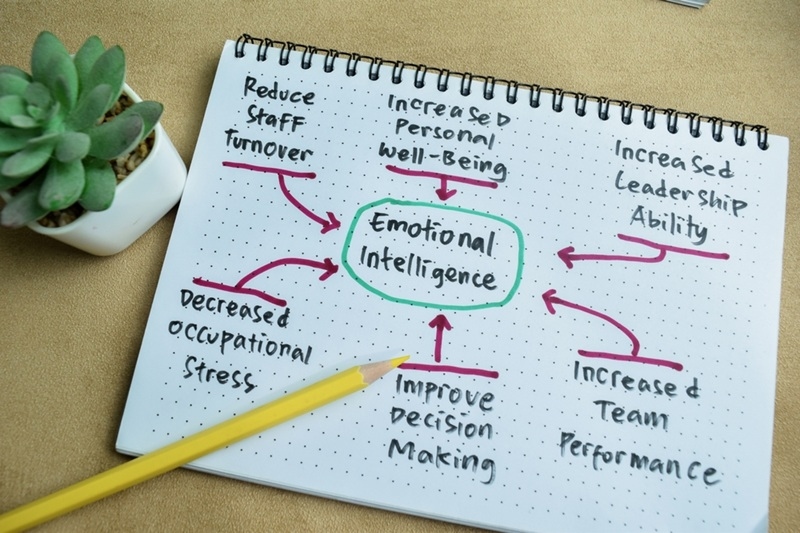
Strengthening Mental Health and Vision Loss Awareness
A patient's mental health and eyesight are directly related, so when patients understand this connection, they are more motivated to take positive steps to care for themselves before they ever lose their eyesight.
The support of family also plays an important role as a loved one can assist in recognizing early signs of depression from Age-Related Macular Degeneration (AMD). Early intervention may prevent further deterioration in the patient's eyesight and, therefore, assist in caring for their future mental wellness.
Lifestyle Strategies to Reduce Anxiety and Blindness Risk US
If you have concerns related to anxiety or the risk of going blind from AMD, making lifestyle changes can help you manage anxiety and decrease the chance of becoming blind. Some of the lifestyle changes you could consider are:
- Make regular appointments with your eye care professional
- Follow your prescribed treatment regimen
- Participate in some sort of physical activity that is safe
- Practice mindfulness and other techniques to reduce your stress
All of these changes will contribute to both your physical well-being and your emotional well-being if you are diagnosed with AMD and reduce the emotional impact of dealing with the anxiety and depression associated with AMD.
Is There Hope for Long-Term Emotional Stability?
Yes indeed! The relationship between AMD and mental wellness is looking brighter as integrated care models introduce combined treatment and a greater understanding of how the two interact.
Holistic Care Models
More and more, doctors recognize the importance of treating both AMD and mental health issues together; it's become a standard of care. Many clinics now assess patients for symptoms of depression associated with AMD during routine eye care appointments, thereby creating a proactive method for minimizing negative impacts on vision-related wellness associated with vision loss due to AMD.
Social Engagement as a Protective Factor
Being socially isolated contributes to the negative effects of mental illness as well as your ability to cope with anxiety associated with AMD. Therefore, creating and maintaining social connections helps reduce the risk of anxiety caused by AMD escalating into major depression.
There are also a whole host of community-based vision support services and technology resources that offer comfort and confidence to those concerned about blindness or anxiety due to AMD, while also providing opportunities for independence.
Reassessing Independence
AMD is life-changing with regard to your vision; however, there are many ways to help maintain your independence following a diagnosis of AMD. The use of adaptive tools, magnification devices, and rehabilitation training helps to make daily functions easier while reducing the intensity of the functional limitations associated with Age-Related Macular Degeneration and depression due to AMD.
With proper emotional wellness support for AMD, you can continue to live an awesome, fulfilling life.
Thought You’d Find This Useful: What Is the BRAT Diet? Foods, Uses, and Recovery Guide
Conclusion:
There is a strong link between AMD and mental health. It has been scientifically shown that there is a clear emotional connection between vision loss and mental health as well. If the psychological effects are not acknowledged, the severity of depression due to age-related macular degeneration will increase, and the impact on mental wellness due to vision loss will continue to deepen.
Patients can learn how to cope with anxiety/depression due to AMD by addressing the reality of anxiety related to their risk of blindness in the USA and making an investment in formal emotional health support for those affected by AMD.
The future of eye care will not only be about improving vision; it will be about building emotional resiliency.
Frequently Asked Questions
What is the impact of age-related macular degeneration (AMD) on the mental health of older adults?
AMD is frequently associated with a loss of independence, which causes higher levels of stress, feelings of isolation, and a higher risk of depression for individuals who experience age-related macular degeneration. Providing emotional support for an individual with AMD can help lower the negative impact on mental wellness from long-term vision loss by getting them help in a timely manner.
Do individuals with AMD in the United States experience anxiety?
Yes, anxiety and fear of being blind from AMD are common issues in the United States due to the uncertainty surrounding the progression of the disease. Participating in proactive strategies for coping with anxiety and depression related to AMD will increase emotional stability and increase a person's self-confidence.
Does receiving treatment for mental health problems help improve the outcome of patients with AMD?
Absolutely! When mental health issues and vision loss are treated together, it results in improved adherence to medical care and reduced incidence of depression as a result of age-related macular degeneration. Additionally, this results in a lesser negative impact on mental wellness from long-term vision loss.
This content was created by AI