Skin Issue: Vitiligo Explained: Causes, Symptoms & Treatment

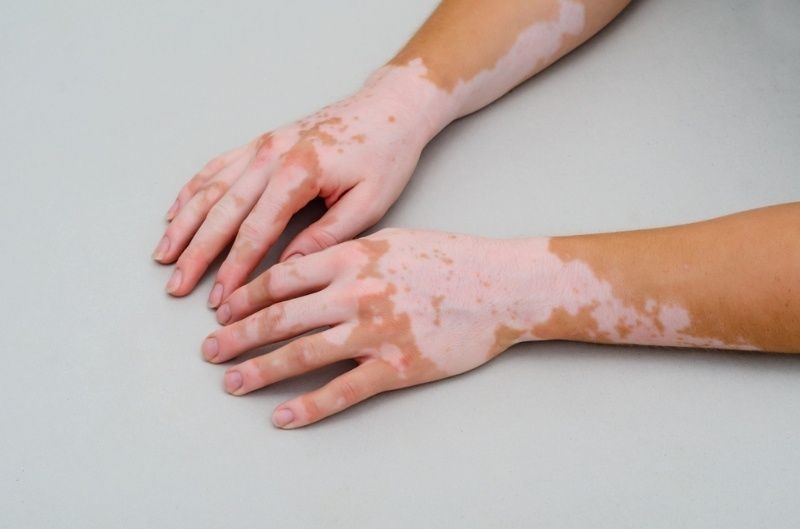
Skin problems can affect how you look and how you feel about yourself. One problem is vitiligo, where you lose skin color in areas. It does not hurt you physically. You cannot give it to someone else, but it can really affect how you feel about yourself.
If you know what vitiligo is, what causes it, and what you can do to treat it, you can deal with it better. Now that people know more about vitiligo and doctors have found ways to help, there are better ways to take care of your skin and feel good about vitiligo and your skin health and manage vitiligo.
What is Vitiligo?
So you want to know what vitiligo is. Well, to understand that, you need to know how our skin gets its color. It is because of something called melanin. Melanin is the thing that gives our skin its tone. It is made by cells called melanocytes.
When someone has vitiligo, so do these melanocytes. They just stop working. This is what leads to those patches on the skin. These white patches can show up anywhere on the body. You can get them on your face, on your hands, on your arms, and even inside your mouth.
Vitiligo can happen to anyone, no matter how old they are or what kind of skin they have. It is easier to see vitiligo on people who have darker skin. The thing about vitiligo is that it is, like, a condition. This means that the body starts attacking its cells that make pigment. It attacks its melanocytes.
Know More: The Immune System: A Working Defense For Your Health
Vitiligo Symptoms You Should Know
Vitiligo symptoms can be recognized early. This helps with managing vitiligo and treating it. The main thing you notice with vitiligo is that you get patches on your skin or patches that are lighter than the rest of your skin. These white patches or lighter patches usually show up slowly. Can spread to other areas of your skin over time. Sometimes the hair in the areas with vitiligo turns white or gray too.
Vitiligo can also affect your lips, eyes, or scalp. Most of the time, vitiligo does not. Irritate your skin, but the way your skin looks can be really tough for a lot of people to deal with emotionally. The way vitiligo progresses and the pattern of vitiligo are different for each person with vitiligo, so it is hard to say how vitiligo will develop for someone with vitiligo.
Vitiligo Causes: Why Does it Happen?
Vitiligo is a condition that we do not completely understand. We think that a few things can contribute to it. When the body's defense system attacks the cells that give skin its color, this is the common reason given for vitiligo.
Genetic factors may also be a part of vitiligo because it can happen to people in the same family. Things in our environment, like stress, getting hurt, or being around chemicals, may also contribute to vitiligo. In some cases, changes in hormones or other health issues may be linked to vitiligo.
The reason for vitiligo can be different for each person. Vitiligo often happens because of a mix of genetic and environmental factors. Vitiligo causes are not the same for everyone. Vitiligo is usually the result of a combination of these things.
How Does Vitiligo Affect Your Skin Health?
Vitiligo affects the skin's protection against sunlight. This means areas without pigment are more sensitive to the sun's rays. They are more likely to get sunburned. So protecting your skin from the sun is a part of managing vitiligo.
Understanding how vitiligo affects your skin health and nutrition is important. It is not about how your skin looks. Vitiligo can also cause skin-tone changes. This can be bad for your self-confidence. How do you feel emotionally? Vitiligo itself is not bad for you. It can make your skin more sensitive and affect its appearance. So you need to take care of your skin.
You should keep your skin healthy by using moisturizer, protecting it from the sun, and talking to a doctor. This is very important for people with vitiligo. Vitiligo requires care and attention to manage its impact on skin sensitivity and appearance. Taking care of your skin can help you feel better about yourself and your vitiligo.
Vitiligo Treatment Options Available
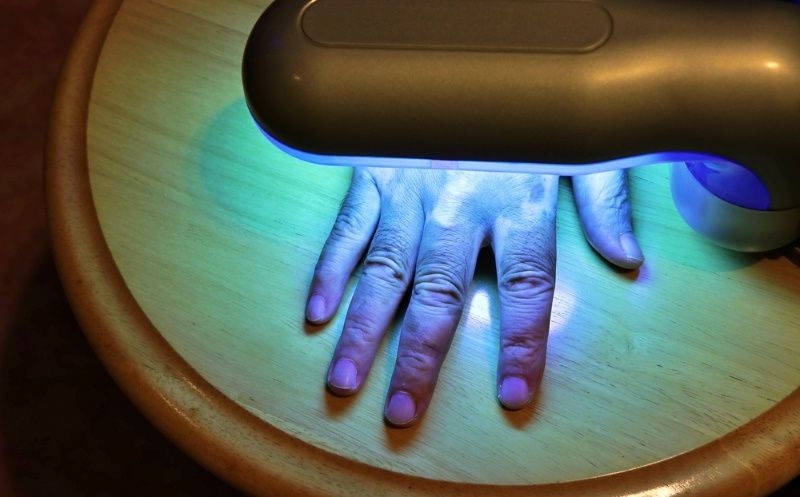
There is no cure for vitiligo yet. There are ways to manage it. Vitiligo treatment options can help make your skin look better.
You can try creams, such as corticosteroids and calcineurin inhibitors, to get some color back on your skin. Light therapy also works for some people to get their skin color back. In cases you might need surgery, like skin grafting. Makeup and skin dyes can also help make your skin tone
The results of treatment are different for everyone. It depends on you. How much vitiligo you have. You should talk to a dermatologist to choose the vitiligo treatment for you. They can help you figure out what will work best for your vitiligo.
Lifestyle Tips to Manage Vitiligo
Managing vitiligo is not about going to the doctor. What you do every day is really important for your skin. You should use sunscreen all the time to keep your skin safe from the sun.
Wearing clothes that cover your skin and staying out of the sun as much as possible can help. You should try to eat healthy food and not get too stressed. This helps you feel good about it. It is also really helpful to have people who care about you, like family and friends, to talk to. You can also join a group of people who have vitiligo. It is also essential to check if you have any allergies or food intolerances for better treatment or remedies.
Taking care of yourself and feeling good about who you are is a big part of living with vitiligo. You have to build up your confidence and remember to take care of your skin and your whole self. Living with vitiligo means you have to think about vitiligo every day and do things to help yourself.
Conclusion
Vitiligo affects skin color. Not overall health. It changes the way skin looks. Understanding what causes vitiligo, knowing its symptoms, and finding treatment options helps people manage vitiligo. People with vitiligo can live lives with proper care. They can feel confident too. Knowing about vitiligo and accepting it is key to dealing with its challenges.
Vitiligo is a skin condition. It affects pigmentation. Vitiligo does not affect physical health. With support, people with vitiligo can lead lives. They can manage vitiligo effectively.
FAQs
Can Vitiligo Spread Over Time?
Yes, vitiligo can spread slowly over time. It differs from person to person. Some people see changes quickly, while others see very little change over the years. You should keep an eye on vitiligo. Get treatment early to help control its spread and make your skin look better. Regular check-ups are important to manage vitiligo.
Is Vitiligo a Serious Health Condition?
Vitiligo is not bad for your body or a threat to your life. It can still make you feel down because of how it changes your skin. Taking care of yourself, getting the right treatment, and having people to talk to can help you feel better both physically and mentally with vitiligo. You can manage vitiligo. Stay healthy.
Can Vitiligo Be Completely Cured?
There is no cure for vitiligo now. Some treatments can help people with vitiligo get some color back in their skin, and it can look better. Doctors and scientists are still doing research on vitiligo. They are trying to find ways to treat vitiligo, and that gives people with vitiligo hope that something better will come along someday.
This content was created by AI