High-Protein Diet Guide: Daily Intake, Meals & Best Foods

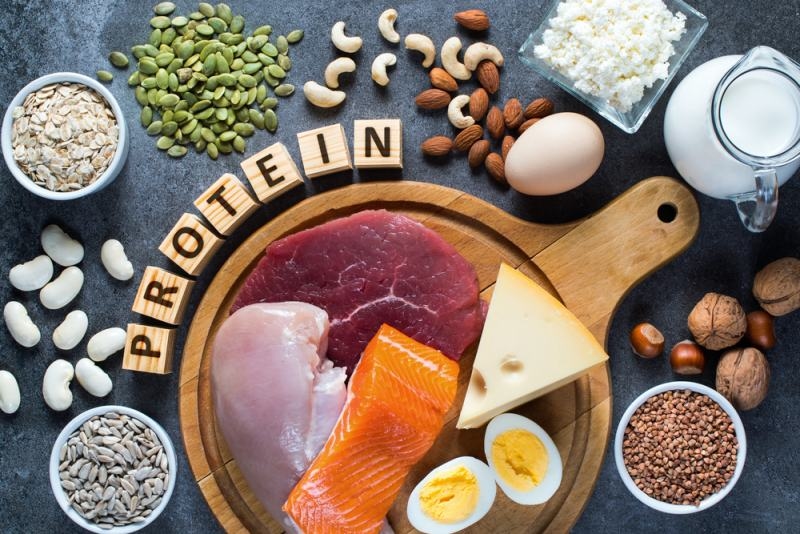
Protein is often referred to as the building block of the body – and for a very good reason. A high-protein diet involves reducing carbohydrates and/or fat intake and increasing protein intake, all in an effort to move the daily calorie balance towards protein. Now it's a common method for those seeking muscle-building, weight maintenance, or simply consistent energy levels throughout the day. Increased protein doesn't necessarily mean more grilled chicken or protein shakes. It involves knowing what your body needs and creating a meal plan that suits your lifestyle.
Key Takeaways
- Generally, a diet high in protein is 25-35% of calorie intake from proteins.
- It can help repair muscles, keep your weight in check, and leave you feeling full for longer.
- Foods high in protein are lean meats, eggs, legumes, dairy, and plant-based proteins.
- Some creative meal planning techniques can make it easier to consistently meet your protein needs.
- Balance is key — protein with fiber and healthy fats for best results.
What Is a High-Protein Diet?
A high-protein diet is a diet that has more protein than usual in the diet for a day. The average protein requirement is approximately 0.8g/kg of body weight. For a high-protein diet, it may increase to 1.2-2.0 grams per kg of body mass, depending on your activity and fitness goals.
This is NOT a passing trend. Protein supplementation has been a practice of athletes and bodybuilders for many years, focusing on recovery and muscle building. The difference is that it's become more mainstream and is being used by more everyday people as a way to lose weight and improve metabolic health.
How Much Protein Do You Actually Need?
The amount of calories you need varies according to your own body weight, activity level, and personal objectives. If you're looking for a quick explanation:
- That's between 84 and 154 grams of protein per day for a 70kg regular exerciser.
- A high-protein diet has a lot of benefits.
- Increased protein intake isn't simply for the fuel of muscles. Studies show that there are several practical benefits to this approach.
Why People Choose Higher Protein Intake
- Facilitates muscle building and recovery — Protein provides amino acids for tissue repair.
- Promotes satiety — Protein helps to keep you full longer, which may help to decrease total snacking.
- Maintains lean body mass when fat is lost — A higher protein intake helps to preserve muscle when reducing calories.
- Helps maintain steady blood sugar — Protein slows down digestion to prevent energy drops.
- Moderately increases metabolism — Protein digests at a higher calorie rate than fat and carbs.
That's one explanation why high-protein eating is still in style with fitness goers and typical dieters alike.
High-Protein Diet Foods Worth Adding to Your Plate
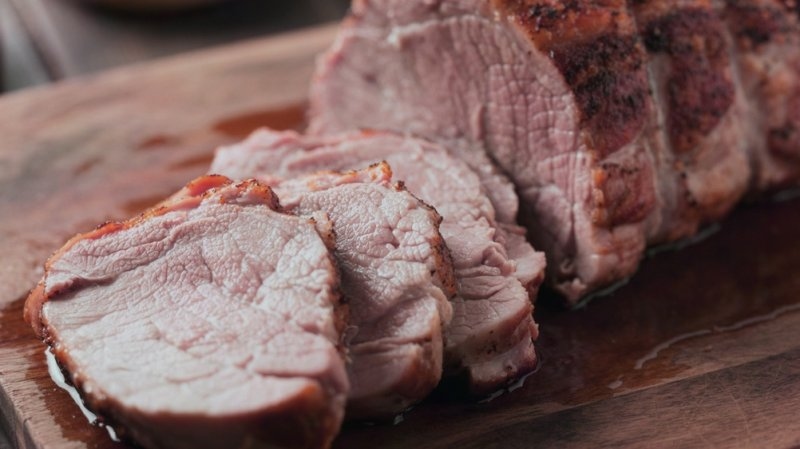
The right foods are key to maintaining this type of eating. Not all protein sources are the same, so variety is important.
- High protein diet foods – What are the best?
- Lean meats: lean cuts of beef, turkey, and chicken breast
- Sugar, honey, and syrup: maple syrup, cane syrup, honey, sugar syrup, and sugar.
- Eggs can be an excellent source of protein and are relatively affordable.
- Fruit: Any fresh, unsweetened variety or 100% fruit juice. Grains: Graham crackers and crackers with low-fat cracker spread.
- Lentils, chickpeas, tofu, tempeh, and edamame are all excellent choices of plant-based protein.
- Legumes: lentils, black-eyed peas, kidney beans, and black lentils
Varying the animal protein with plant protein in the same week means a wider variety of nutrients is consumed.
Must Try: How Does The Effect of Diabetes Change Your Body Function?
Meal Planning Strategies for a High-Protein Lifestyle
With a little planning, it's much easier to maintain a high-protein diet. Your daily eating can leave you with protein deficiencies by dinner time.
The simple meal planning strategies that work!
- Eat protein first – Make protein the main part of a meal, then fill in sides.
- Cook in bulk — Make proteins such as chicken or lentils in large batches for the week.
- Eat protein at all meals, rather than at dinner.
- Have quick snacks on hand — Boiled eggs, yoghurt, or nuts will avoid low-protein snacking.
- Track loosely – Check in with an app or a few notes if you need to ensure you're meeting daily targets.
Eggs for breakfast, a chicken salad for lunch, salmon with vegetables for dinner, and a snack of Greek yogurt between meals.
Common Mistakes to Avoid
No matter how well-meaning, it's easy to make mistakes when moving toward a higher protein diet. Be alert for the following problems:
- Excessive use of protein supplements (powders or bars) instead of protein from food sources.
- Dubai is an excellent place to eat healthy food. The city of Dubai is a great place to have a healthy meal without giving a thought to fiber and good fats that help the digestive system and the heart.
- Consuming too much protein, but not enough calories.
- Not drinking enough liquids as they require more water due to higher protein consumption,
Balance remains key. A high-protein diet is most effective when combined with vegetables, whole grains, and healthy fats.
Is a High-Protein Diet Right for You?
Protein intake can be increased safely for most healthy adults, but seek medical advice before increasing protein if you have kidney disease. The most significant benefits in this regard are seen by athletes, weight management patients, and individuals who are seeking a more consistent source of energy. Like with every diet, it's all about what your body needs, and taking it slow will yield positive results over time.
Final Thoughts
It's not a high-protein diet; it is a diet of intention. Knowing what protein you need, where to get it, and how to plan it thoughtfully can help to create an eating pattern that focuses on a realistic and sustainable goal.
Also Read: Type 1 Diabetes Management: All You Need To Know
Frequently Asked Questions
1. What is a high-protein diet exactly?
A high-protein diet is an eating plan that emphasizes foods high in protein, such as meat, eggs, dairy, and legumes, in order to provide a high amount of protein intake (25-35% of daily calories) needed for building muscle and metabolism.
2. What foods are healthy when on a high-protein diet?
Eggs, chicken, fish, Greek yogurt, lentils, and tofu are all great options. These foods are full of or nearly complete protein, inexpensive, and simple to make.
3. What are the primary advantages of a high-protein diet?
It is popular among athletes and regular dieters due to its many benefits, such as improved muscle recovery, fullness after eating, balanced blood sugar, and weight management.
4. How much protein should I eat daily?
The recommended amount is 0.8 – 2.0 g/kg body weight, depending on activity level. Those who are athletes or weight loss focused will require more on the high end.
This content was created by AI