Post-Surgery Physiotherapy Rehab at Home: A Complete Guide

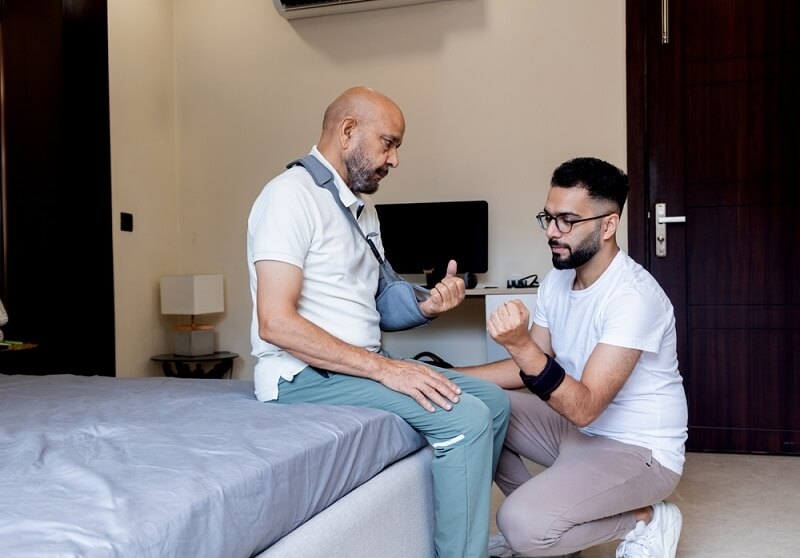
Post-surgery physiotherapy is the structured care that helps the body regain strength and movement after an operation. It focuses on safe exercises, steady progress, and restoring daily function without causing strain. Many patients now prefer orthopedic rehab at home because it allows healing in a familiar space with flexible routines.
This guide will explain everything to you about post-surgery physiotherapy, along with the benefits of orthopedic rehab.
Must Read: How Physiotherapy Helps Recover From Common Sports Injuries
Why Post-Surgery Physiotherapy is Important?
Surgery addresses the main medical issue. Recovery, however, is a separate phase. After surgery, muscles may feel weak. Joints often become stiff. Even simple movements like standing or lifting an arm can feel different. That is where post-surgery physiotherapy plays its role.
The body needs guided movement to heal properly. When a person avoids movement for too long, stiffness increases. Blood flow slows. Strength declines. Controlled exercises help prevent these problems. They improve circulation and support natural healing.
There is also the mental side of recovery. Many patients feel unsure about using the affected area. They worry about doing something wrong. A structured plan removes that uncertainty. It replaces doubt with direction.
Top Benefits of Orthopedic Rehab at Home
Recovering at home has become a preferred option for many patients. It allows structure without removing comfort.
Comfort That Encourages Consistency
Orthopedic rehab at home allows patients to perform exercises in an environment they already know. There is less stress and fewer distractions. That comfort makes it easier to focus on proper form and daily routines. When people feel relaxed, they are more likely to stay consistent with their rehabilitation schedule.
Flexible Scheduling Without Travel Stress
Attending sessions outside the home can take time and energy. At home, exercises can be performed at suitable times during the day. This flexibility helps maintain regular practice. Consistency, even more than intensity, supports steady improvement during recovery.
Personalized Pace of Progress
Healing does not follow a strict clock. Some days bring noticeable improvement. Other days feel slower. A home-based plan allows adjustments based on comfort and ability. Exercises can increase gradually without pressure. That balance protects healing tissues while building strength.
Top Pick: Implementing The Right Exercise For Neck Pains Management
Factors to Consider for the Right Shoulder Surgery Rehab
The shoulder is one of the most mobile joints in the body. That mobility requires careful handling during rehabilitation.
Slow and Controlled Movements First
Shoulder surgery rehab should begin with gentle movements. The goal is to maintain flexibility without straining healing tissues. Quick or forceful motion can delay progress. Controlled exercises build confidence and protect the joint.
Posture During Daily Activities Matters
Recovery does not happen only during exercise sessions. It continues throughout the day. Sitting with rounded shoulders or standing unevenly can create strain. Paying attention to posture supports balanced healing and reduces unnecessary pressure.
Balanced Strength and Stability
The shoulder depends on coordination between several muscles. Rehabilitation should strengthen these muscles evenly. Focusing only on the range of motion without stability can lead to discomfort later. Strength and control must develop together.
5 Best Knee Replacement Recovery Exercises
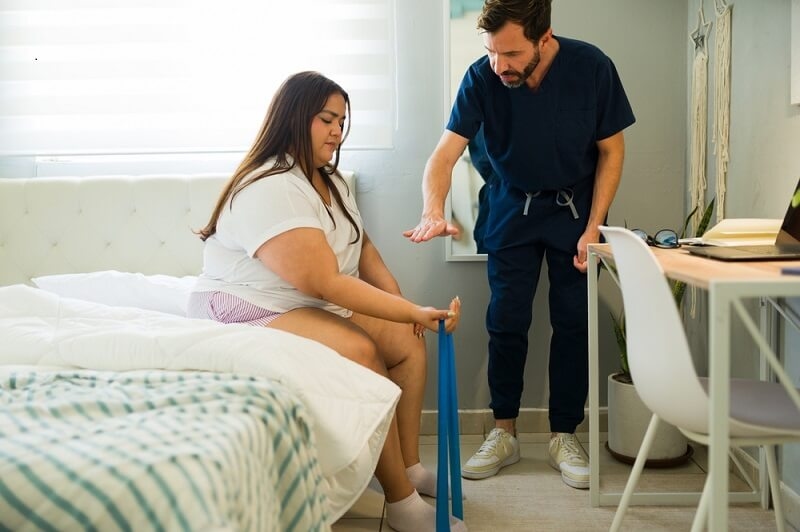
After knee surgery, movement supports both strength and flexibility. The exercises do not need to be complex. They need to be consistent.
1. Ankle Pumps for Circulation
This simple exercise involves flexing and pointing the foot while lying down. It supports blood flow in the lower leg. Improved circulation reduces stiffness and supports healing in the early phase of recovery.
2. Quadriceps Tightening for Stability
Tightening the thigh muscle while keeping the leg straight strengthens the muscles that support the knee joint. This exercise improves stability without placing pressure on the new joint.
3. Heel Slides for Mobility
Sliding the heel toward the body while lying down increases knee bending gradually. It improves flexibility in a controlled way. Movement should stay comfortable and steady.
4. Straight Leg Raises for Strength
Lifting the leg slightly while keeping it straight builds thigh strength. This supports the knee joint during walking and standing. Controlled lifting prevents strain.
5. Seated Knee Bends for Daily Function
Sitting on a chair and gently bending the knee improves joint motion. It supports daily actions like sitting down and standing up. This makes everyday movement easier over time.
How the Post-Surgery Physiotherapy Process Works: Step-by-Step
The following steps will help you understand how the post-surgery physiotherapy process works:
1. Assessment and Goal Setting
The first step is to evaluate the strength level and range of motion that can be done comfortably. The goals are well defined according to the type of surgery, providing a clear focus for the entire plan. Without goals, the recovery process seems vague.
2. Developing a Personalized Plan
The exercises are selected according to the individual’s needs. The plan is designed to regain flexibility and increase strength in a progressive manner, without any sudden peaks.
3. Learning Proper Techniques
Proper techniques are a must. Small modifications help alleviate pain. Gradual and deliberate practice of exercises helps ensure that every exercise contributes to recovery, not to pain.
4. Monitoring Progress
As progress is seen, modifications are introduced to the exercises. The modifications are small but significant. A progressive approach ensures that recovery remains safe and on track.
5. Maintaining Strength Levels Post-Recovery
Even after completing the recovery process, gentle exercises are performed. This prevents stiffness from setting back in.
Understanding the Different Aspects of Physical Therapy Recovery Timeline
You can check the following list to understand the different aspects of the physical therapy recovery timeline:
Early Phase: Protection and Gentle Motion
The first stage focuses on protecting the surgical area. Movements are light and controlled. Circulation improves, and stiffness begins to reduce. The body adapts slowly during this phase.
Middle Phase: Strength Building
As healing progresses, exercises become slightly more active. Muscle strength increases. Coordination improves. This part of the physical therapy recovery timeline requires steady practice and patience.
Later Phase: Restoring Daily Movement
The final stage focuses on returning to normal tasks. Walking, lifting, and reaching feel more stable. Confidence improves along with strength.
Conclusion
Post-surgery physiotherapy can help you in the process of healing and develop steady strength. This can help you to do your daily tasks naturally. A structured home-based plan offers flexibility and comfort without reducing discipline. Recovery becomes manageable with consistent practice and patience. Progress may feel slow at times, but steady effort leads to restored movement and renewed confidence.
Frequently Asked Questions
1. When should rehabilitation start after surgery?
Rehabilitation usually begins soon after surgery, depending on medical advice. Early guided movement supports healing and reduces stiffness.
2. Can exercises be done alone at home?
Yes, once proper technique is understood. Clear instructions help ensure that movements remain safe and effective.
3. How long does recovery usually take?
The timeline depends on the surgery type and individual health. Some recover in weeks, others may need several months.
This content was created by AI