Can Home Physical Therapy Help You Heal Faster at Home?

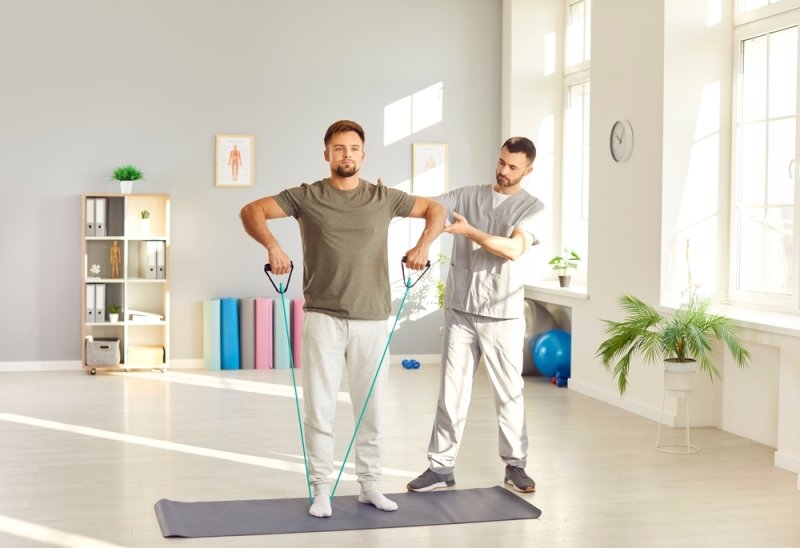
Home physical therapy can be a lifesaver if you've just undergone surgery, suffered an injury, or are experiencing a medical condition that impairs your mobility. The ease with which you were able to perform everyday tasks just a day ago can quickly give way to an inability to walk across a room without feeling the burn. If you have ever been discouraged by your slow recovery, you're in good company.
As stated by the CDC, over 61M Americans have a disability, many affecting the movement and function of their bodies. Similarly, numerous patients undergo orthopedic surgery and rehabilitation programs annually. The exciting news is that your road to recovery does not need to be solely within the four walls of a clinic. You, too, can restore your strength, flexibility, and confidence through home-based physical therapy with the right guidance and commitment. One can also try occupational therapy to regain independence at home with expert assistance.
Home physical therapy patients can recover at home while practicing movements and skills that translate directly into their day-to-day lives. There are a number of readily available home physical therapy exercises, home therapy for back pain, and at-home therapy programs that don't require any equipment. This article will delve into what home physical therapy is, what it entails, the exercises that promote recovery at home, and practical tips to guide you safely toward recovery.
What is Home Physical Therapy?
Home physical therapy is a type of rehabilitation in which a patient works toward improved mobility, strength, balance, and functional ability at home, rather than going to a therapy clinic regularly.
The services a therapist provides to a patient may include an in-home visit from a licensed physical therapist or a tailored exercise program for the patient to perform on their own. The purpose of physical therapy is to help you perform daily activities again with greater ease and comfort.
This type of physical therapy, instead of at-home therapy at a clinical facility, is focused more on the real-world activities that the patient needs to be able to perform, and so the therapist takes the time to assess the patient’s environment while at home, to formulate treatment that will support common day-to-day tasks like climbing stairs, getting in and out of bed, or ambulating throughout the home.
Benefits of Home Physical Therapy
There are numerous benefits to home-based rehabilitation for an individual’s recovery and quality of life.
Convenience and Accessibility
Trying to make the trek to your physical therapy appointments when you have undergone surgery or are dealing with chronic pain can be incredibly difficult. The great part about home physical therapy is that you can take it with you, so your energy can be put toward healing.
Recovery in a Comfortable Environment
Being in the comfort of your own home has been shown to reduce an individual's stress and anxiety. Patients can work on their rehabilitation in familiar surroundings, which can make the process much more comforting.
Personalized Treatment Plans
No two patients’ experiences are the same, and rehabilitation is no different. Home physical therapy programs are customized to the patient's needs, goals, and physical limitations, while also taking the patient's home environment into account.
Improved Daily Function
Many of the exercises in a home physical therapy plan are those that patients will perform numerous times throughout the day, as these are often the everyday motions they have trouble with after surgery or an injury.
Why Does Exercise Matters During Recovery?

Movement is one of the most valuable tools a patient has in their recovery. There is an abundance of evidence proving that exercise helps improve:
- Flexibility
- Muscle strength
- Stiffness
- Circulation
- Balance
- Pain
- Faster recovery
When choosing exercises to do at home, just remember to pick the ones that align with your current physical state.
Best Physical Therapy Exercises at Home
Here are some common exercises you can do at home. However, remember to speak with a healthcare provider before beginning a new exercise regimen.
Ankle Pumps
Ankle pumps are recommended to help decrease swelling and improve circulation.
How To Perform Ankle Pumps:
1. Lie or sit in a comfortable position.
2. Slowly push your feet out and away from your body.
3. Bring them back towards your body.
4. Perform this 15–20 times.
5. This simple motion is typically prescribed after periods of immobility or after surgery.
Heel Slides
Heel slides increase the mobility of your hips and knees.
How To Perform Heel Slides
1. Lie on your back with your knees bent.
2. Slowly slide one heel toward your buttocks, or as close as you can without causing extreme discomfort.
3. Return your heel to the starting position.
4. Perform 10–15 reps per leg.
5. This is a common exercise for physical therapy after knee surgery.
Straight Leg Raises
These exercises strengthen the quadriceps and hip flexors.
How To Perform Straight Leg Raises
1. Lie on your back with one knee bent, the other straight.
2. Slowly raise the leg that is straight upward and slightly forward.
3. Hold briefly and slowly lower the leg.
4. Perform 10–12 repetitions per leg.
Bridges
Bridges build core strength in the hips and glutes.
How To Perform Bridges
1. Lie on your back with your knees bent.
2. Press your heels and feet into the floor while raising your hips off the bed.
3. Hold briefly and slowly lower your hips to the starting position.
4. This is one of the most effective exercises to develop lower-body strength.
Home Therapy For Back Pain
It is estimated that over 80 percent of adults at some point in their lives experience back pain. The good news is that home-based movement may be the most beneficial form of exercise for you.
Pelvic Tilts
Pelvic tilts are designed to increase spinal mobility and strengthen abdominal muscles. Performing these frequently can relieve lower back pain.
How To Perform Pelvic Tilts
1. Lie on your back with knees bent.
2. Flatten your back against the bed and gently tighten your abdominal muscles and buttocks, rocking your pelvis upwards slightly.
3. Hold the contraction briefly.
4. Release your core and let your back relax.
5. Repeat 10-12 times.
Cat-Cow Stretch
This mild stretch can alleviate the symptoms of a stiff spine.
How To Perform Cat-Cow Stretch
1. Start on your hands and knees.
2. Inhale as you let your belly fall and arch your back into a cow position.
3. Exhale as you tuck your chin to your chest, rounding your back and tucking your tailbone.
4. Repeat 10-12 times.
Walking
Believe it or not, walking remains one of the most basic, yet effective, forms of rehabilitation. Short, daily walks will promote healing and reduce discomfort.
Physical Therapy Without Equipment
Physical therapy without any equipment is readily available for people of all health levels to benefit from at home. Exercises that build core strength and promote overall fitness are possible to perform at home with no equipment, including
- Bridges
- Heel slides
- Pelvic tilts
- Wall sits
- Standing marches
- Bodyweight squats
- Shoulder rolls
These exercises, in particular, are beneficial to learn and can be done very easily at home with or without equipment; if nothing else, they require the support of a chair to improve your stability.
Tips to Maximize Recovery at Home
There is much more to successful recovery than just completing exercises at home.
Stay Consistent:
The more consistent you are with your exercise regimen, the more you will improve in the long run.
Focus on Proper Technique:
Move slowly and with caution so you can develop your muscles and movements optimally.
Listen to Your Body:
Although it is expected that there will be some soreness, listen to your body; sharp or severe pain is an indication to stop and consult a doctor or therapist.
Track Your Progress:
Simply writing down notes on how well you are progressing, how much stronger you are becoming, or how the pain is subsiding can be very encouraging.
When to Contact a Physical Therapist?
In some instances, an in-home therapist may be necessary even if you have been performing home therapy. Seek a therapist's help if you are:
- Experiencing persistent pain
- Dealing with increased swelling
- Falling or having trouble with your balance
- Significantly weaker
- Unable to carry out daily activities
This therapist will help customize your treatment plan to suit your individual needs.
Conclusion
Whether you have had surgery, sustained an injury, or are facing an illness, home physical therapy offers an effective and accessible approach to healing, increasing your mobility, and boosting your confidence. With home physical therapy, people with arthritis can benefit and improve the quality of their lives.
In this article, we've outlined the benefits of home therapy, highlighted effective at-home physical therapy exercises, shared insights into therapy for back pain, and emphasized the importance of consistent effort and proper form.
Recovery takes effort, but small, everyday actions add up over time and, in doing so, will lead to progress, whether that be improved flexibility, stronger muscles, or greater Independence at home. To find more useful information, read about the many resources available online, or you can check out drgptmd.com.
Frequently Asked Questions
Does Home Physical Therapy Enhance a Senior's Ability to Maintain Independence?
Yes. Home physical therapy helps older adults increase their strength, balance, and range of motion. This allows older people to stand and walk around more without fear of falling, thereby reducing their risk of falling. It helps maintain the ability to perform daily tasks. Focusing on functional movements leads to a higher degree of independence.
How Many Times a Week are Home Rehabilitation Exercises Done?
The number of times per week home rehabilitation exercises should be performed varies based on the individual's needs, medical condition, and rehabilitative goals. While some rehabilitation protocols have patients performing rehabilitation three to five times per week, others focus on having the elderly individual participate in daily mobility exercises. You will need to speak with the individual's medical provider to determine specific medical recommendations.
Does Home Physical Therapy assist in a patient's recovery from a Joint Replacement Surgery?
Yes. Home physical therapy is widely used following a knee, hip, or shoulder replacement to improve function and motion, reduce joint stiffness, and increase overall range of motion. This specialized rehabilitation plan is typically based on patients' medical needs, current level of function in daily tasks, and how well their bodies respond.
This content was created by AI