What is the Best Knee Pain Treatment at Home in 2026?

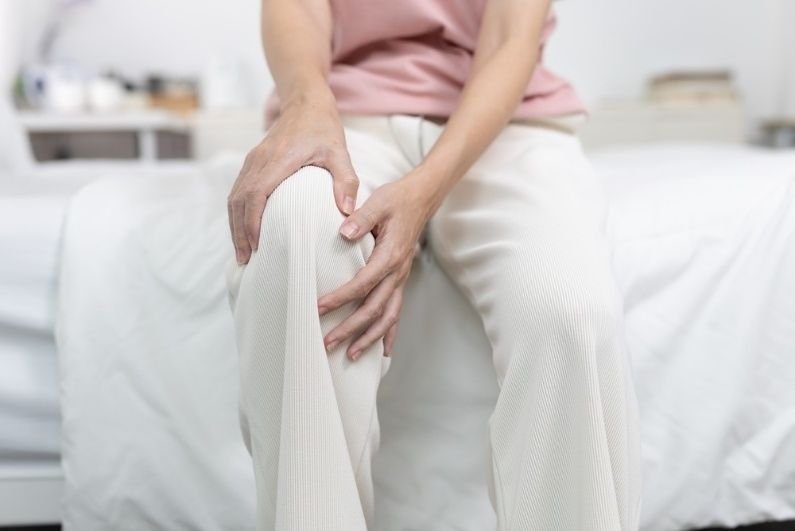
Knee pain management strategies and care can begin even at home. If you notice discomfort when you walk or stand up, a few simple adjustments can provide relief. Many adults across the United States experience joint pain each year, with knee discomfort affecting millions, according to the Centers for Disease Control and Prevention (CDC).
You won’t always need to seek the assistance of medical experts if your knee pain is minor to moderate.
Most often, this problem will respond well to gentle movement, some rest, and a targeted treatment plan, such as physical therapy for knee pain. Here’s what you can do to make knee pain less of a bother.
What is Knee Pain?
Knowing the reason behind knee pain is crucial for effective treatment. Knee pain is the result of any number of conditions that could include such things as,
- Minor sprains or ligament strains
- Overuse injuries
- Muscle weakness near your knee joint
- Arthritis
- Torn or injured knee tendons or cartilage
- Prior knee injuries.
If pain results from an injury or a number of issues and you’re concerned about how to relieve knee pain or have major instability and swelling, you can schedule an appointment with your doctor.
Treating Knee Pain at Home
The majority of mild cases will respond well to home care in the first few days.
Resting the Joint
When you hurt your knee, most movement should be avoided, especially when running, jumping, or lifting heavy objects. Rest that goes too far (bed rest) can damage your joints and lead to stiffness and a slower recovery.
Use the RICE Method
This is what it represents:
- Rest
- Ice
- Compression
- Elevation
- A pillow and a blanket will suffice for resting
Rest the Joint
The general idea behind the treatment is that any activity will aggravate pain. This will help manage your knee pain while resting the joint. You can, of course, engage in walking; you can ride a stationary bike or swim.
Even while you are seated, use a cushion to support the leg that is affected by pain.
Ice Dunk
Ice it during the first few days to reduce inflammation and swelling
Use an ice pack, or even pack the injury with cold water. Applying the ice pack for 15-20 mins at a few-hour interval should prove efficient.
Compression and Elevation
Wearing a compression brace over your knee provides much of the necessary support for minor joint ailments while it also limits swelling.
It’s the elevation aspect of this that should take place while you rest, with your feet elevated on something as simple as 2-3 pillows.
When Home Remedies for Knee Pain Become Effective
Keep Your Weight Balanced
It is important to understand that the less stress on your knee, the less discomfort you will experience. When a person is obese and on a regimen to shed pounds, each pound is significant in relieving knee pain and pain in their legs overall. Physical exercises and sports that you participate in regularly can enhance this process; they should strengthen the muscle mass near your knee and its tendons.
Keep on Gently Moving
One of the main misconceptions with joint pain is the urge to simply restrict all movement of the affected part. For knees, the exact opposite applies: steady movement is required to prevent the joint from freezing or losing much of its overall flexibility. Whether on land or in the water, moving and even swimming help strengthen the surrounding muscle masses to avoid knee-pain issues.
Eat an Anti-Inflammatory Diet
Adding these to your diet can help control inflammation while encouraging the speedy repair of your joints.
Omega-3 fatty acids, abundant in such foods as wild-caught fish, chia seeds, and flax seeds, can boost overall bone health and reduce inflammatory markers. Consuming colorful fruits and berries, along with whole grains, is also highly beneficial for maintaining overall joint health and function.
Exercises for your knee
The goal of most knee-strengthening exercises is to bolster the supportive structures around your knee to help it remain stable and functional. You don't need to perform all of them to benefit, just what feels most comfortable for you; be sure not to push if it increases pain.
Knee Pain Exercises at Home
You do need to do the exercise in a controlled and steady manner, no bouncing allowed.
Straight Leg Raises
Lie down flat on the floor, keeping the unaffected knee bent. Elevate the other leg six to eight inches above the surface of your floor for five to 10 seconds before slowly lowering the limb to the floor. Raise and lower your affected leg a set number of times (10 to 15 is standard) in sets of one to three.
Wall Sit
Standing upright, turn your back to a wall. Slide your back down until you reach a seated position with your legs bent at 90 degrees. Hold this for approximately 20 seconds before using your leg muscles to stand again.
Performing leg lifts 10 to 15 times in a series can also be very useful.
For Knee Pain Relief With Stretching
It’s important not to simply rest the injury, so when performing stretches for knee pain relief, you will gain more range of movement and greater flexibility, reducing the tendency of your muscles to tense and tighten up, which causes pain.
The following 2 stretching routines can help:
Hamstring Stretch
The hamstring stretch (the muscles at the back of your leg) can help improve leg mobility and range of movement, alleviating stress on the anterior knee (front of the knee) and relieving knee pain symptoms.
Place the leg of the impacted leg flat on the surface of the floor. With the knee of the affected leg straight, gradually incline your torso forward until you feel tightness in your Hamstring muscle – avoid leaning or hyperextending past your comfort level.
Hold this Hamstring Stretch for twenty to thirty seconds before repeating once on the other leg.
Calf Stretch
If calf tension or weak calf musculature is contributing to knee stress and pain, the following calf stretching routines for relief will be very beneficial. Place your unaffected leg back into a staggered position, with your foot on the floor.
Place the heel of your unaffected leg flat on the ground and, with slight bending in the knee of your unaffected side, press down and gently extend in the forward direction through the hips while keeping your chest open toward the wall to extend all the musculature of the calf from your hip down through the ankle and the knee.
Hold the calf stretch for at least twenty to thirty seconds before repeating with your other leg.
When to Seek Professional Medical Care?
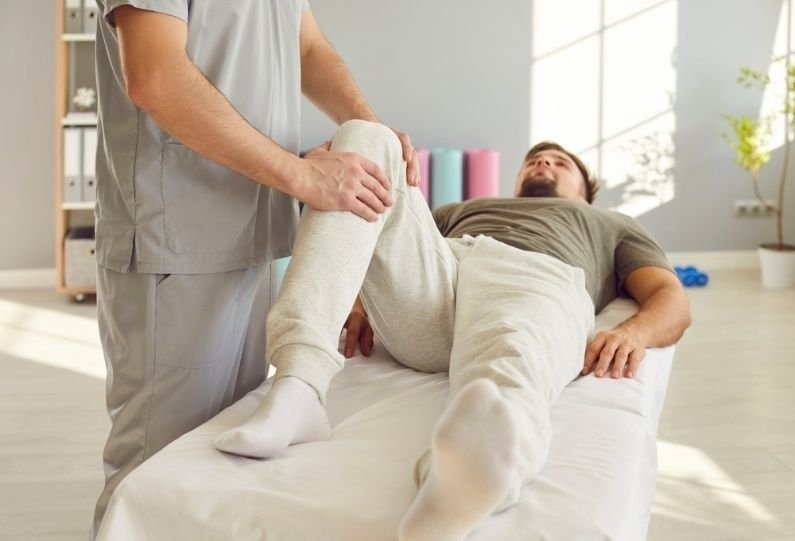
You should see a doctor for any knee injury, as the vast majority of injuries require attention. While rest, stretching, ice, and other home treatments may offer a solution for minor discomfort or for knee support, not all injuries will respond to this simple advice, and resting an injured joint for 2-4 weeks is necessary unless this time comes with medical help.
It is advisable to consult with your physician regarding knee issues if you notice severe swelling and bruising around your injured knee, your knee begins to dislocate or subluxate, you start to experience pain along your joint line during normal activities, or your knee gives way with movement. Joint pain accompanied by fever should be considered serious and should be reported to a medical health professional as soon as possible.
In cases of knee joint disfiguration, the doctor’s examination will be crucial for effective diagnosis and treatment of knee injuries.
Conclusion
Finding the right knee pain treatment at home begins with understanding the cause of your discomfort and taking simple steps to support recovery. Rest, ice, gentle movement, strengthening exercises, and regular stretching can often provide meaningful relief for mild knee pain. However, persistent or worsening symptoms should never be ignored.
At drgptmd.com, we're committed to providing reliable health information that helps you make informed decisions about your well-being. Whether you're looking for practical home care tips or guidance on when to seek professional treatment, trusted information can make all the difference in your recovery journey.
FAQs
When is PT for Knee Pain a Good Idea?
Physical therapists tailor exercise programs to your condition so that each exercise you do helps support muscle healing and strengthen joints. Physical therapists for knee pain are trained to work with the injured, weak, and inflexible nature of knee joint injuries.
Can Weather Changes Make Knee Pain Worse?
Many people notice increased knee discomfort during cold or damp weather. While research is still ongoing, changes in barometric pressure may affect joint tissues and surrounding muscles. Staying active, keeping your joints warm, and performing gentle stretching exercises may help minimize weather-related stiffness and discomfort.
Can Sleeping Position Affect Knee Pain?
Yes. Sleeping posture can influence knee discomfort, especially if you have arthritis or previous injuries. Placing a pillow between your knees while sleeping on your side or beneath your knees while lying on your back can improve joint alignment and reduce pressure. A supportive mattress may also contribute to better overnight comfort.
This content was created by AI