What is Occupational Therapy for Seniors and Why is it Important?


Key Takeaways
- Geriatric occupational therapy allows them to maintain their independence and continue their day-to-day lives.
- The occupational therapy for seniors includes everything from dressing and cooking to bathing and getting up and down stairs.
- Therapy centers on reducing the risk of falls, home safety, and personal care planning.
- Getting started early sets seniors up for better health and a higher quality of life down the road.
Occupational therapy for seniors is about much more than just helping someone recover from an illness or injury. It’s about finding ways to help older adults live safely and confidently, so they can keep doing the things that matter to them. As we age, routine tasks we didn’t think twice about, like tying our shoes, making breakfast, and taking a shower, can suddenly feel challenging. These changes don’t just affect physical health; they also hit our sense of independence and well-being.
The numbers tell the story: About one in four adults over 65 falls each year, according to the CDC. Falls are a major threat to seniors’ safety, but occupational therapy can lower that risk by teaching new skills, making home adjustments, and finding ways to make daily life easier. It’s not just about “going back to normal"; it’s about helping people hold on to their independence and enjoy life as much as possible.
In this article, you’ll learn what occupational therapy actually is, how it’s different from physical therapy, which conditions it helps with, occupational therapy benefits, and why looking into it early really matters.
What is Occupational Therapy for Seniors?
Occupational therapy for the elderly is a very physical health service. This health service is all about ensuring older adults remain independent and secure in their day-to-day activities. Instead of just treating a diagnosis, occupational therapists consider how health problems affect everyday activities, then work with the person to develop a plan that works for them.
They’ll check physical ability, memory and thinking skills, the home's setup, and what each person wants to achieve. Then they set up a roadmap to make tasks like dressing, grooming, bathing, preparing meals, managing medicine, and moving around the house easier.
Occupational therapists also help seniors return to hobbies, handle household chores, and keep up with social activities—really, anything that adds meaning to their day.
Occupational Therapy vs. Physical Therapy
People often lump occupational therapy and physical therapy together, but they’re not the same thing. It’s focused on strength building, pain relief, and overall body motion. Occupational therapy for seniors, on the other hand, focuses on how well someone can do the things they care about, even if they face new physical or mental challenges.
A physical therapist might help strengthen someone’s knee after surgery. An occupational therapist will step in to teach them how to climb stairs again, cook a meal safely, or get dressed on their own. Working together, both therapies can help seniors recover faster and feel more confident in daily life.
Benefits of Occupational Therapy for Seniors
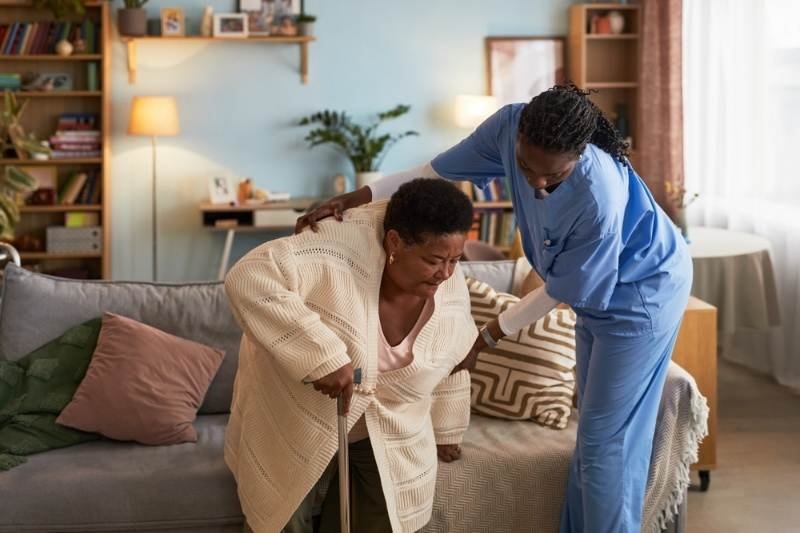
Occupational therapy helps seniors in many ways, and the occupational therapy benefits go far beyond just bouncing back from an injury.
Promoting Independence
Staying independent is huge. Occupational therapists provide step-by-step strategies and creative adaptations, empowering older adults to accomplish daily tasks more independently and with greater self-assurance.
Lowering the Risk of Falls
A common fear of aging, falling, can be combatted with the help of occupational therapists who perform a home evaluation and identify hazards like rugs or slippery floors and offer solutions such as grab bars and improved lighting.
Increasing Cognitive Abilities
Common struggles for older adults include memory, concentration, and problem-solving. Occupational therapists often use simple exercises, memory aids, and set routines to keep the mind sharp, especially for those dealing with dementia or Alzheimer’s.
Boosting Emotional Well-Being
Losing the ability to perform daily tasks can be emotionally difficult. Occupational therapy encourages people to stay connected with hobbies and friends, which keeps spirits up and helps fight off feelings of isolation.
Try This: Early Signs Of Rheumatoid Arthritis People Ignore
Conditions Occupational Therapy Helps Manage
Occupational therapy for seniors can actually help with a long list of conditions, including:
- Arthritis
- Stroke recovery
- Parkinson’s disease
- Dementia and Alzheimer’s
- Healing after joint replacements
- Chronic pain
- Vision or hearing loss
- Trouble with balance or mobility
The plan is always tailored to the individual’s needs and routines—so progress is real and noticeable.
When Should Seniors Consider Occupational Therapy?
A lot of folks think you only need occupational therapy after surgery or a hospital stay, but starting sooner usually pays off. If an older adult is having trouble with the following:
- Daily activities
- Falling more often
- Recovering from illness
- Struggling with memory
- Getting less active due to pain
- Just finding independent living tougher
It’s time to talk to a healthcare provider about occupational therapy. Acting early can stop small issues from becoming big problems and improve life in the long run.
Conclusion
Occupational therapy is about helping seniors keep doing the things that matter. From mobility and clear thinking to maintaining independence, occupational therapy is involved in the vast majority of things seniors do every day. Instead of simply administering treatment, it can offer seniors the means to remain in control. Personalized therapies can make a profound difference for seniors in rehabilitation, dealing with chronic diseases, or simply continuing the process of aging at home safely.
If you’re thinking about occupational therapy for the elderly, yourself, or a loved one, take the time to compare providers, ask your questions, and find care that truly supports independence and quality of life, as there are numerous benefits of occupational therapy for seniors. For this, you can check out drgptmd.com for assistance with health and wellness.
FAQs
Can Occupational Therapy Be Provided at Home?
Yes. It’s actually pretty common, especially for seniors who have a hard time getting out. When therapists visit at home, they can spot real-life barriers and suggest changes and solutions that fit the exact living situation. This hands-on style leads to better results because the advice fits the person’s actual day-to-day life.
Does Medicare Cover Occupational Therapy for Seniors?
Medicare often covers occupational therapy if a healthcare provider says it’s needed. What’s covered depends on the setting, the provider's qualifications, and a person’s specific plan. Seniors should check their benefits or call their insurance to see what’s included and what might still cost extra.
How Long Does Occupational Therapy Usually Last?
Depends on the person and what they’re aiming for. For some folks, a handful of weeks is all they require, but others living with chronic health conditions could benefit from a weekly, ongoing therapy program. Therapists will monitor the therapy and tweak the strategy as required so it continues to make sense for you.
This content was created by AI