Key Features and Latest Updates of Claude Opus 4.5

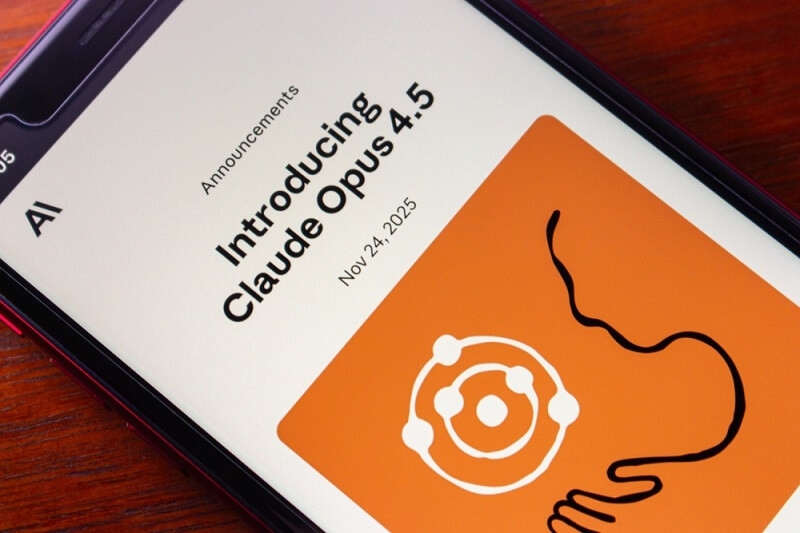
There’s something refreshing about seeing a new AI model rise with genuine momentum, and Claude Opus 4.5 has done just that. If you’ve been watching the space, you’ve probably noticed how fast things move, especially across the US tech scene, where everyone wants tools that feel smart, friendly, and steady enough for serious work.
This version brings that balance. It steps into everyday routines, workplace workflows, creative hobbies, and even complex enterprise needs with surprising ease. And honestly, there’s a quiet charm in the way it blends technical skill with a natural voice. In this blog, we’ll walk through what the model offers, the newest updates, why developers and business teams are paying attention, and how the Claude Opus 4.5 AI model fits into your real world instead of just talking theory.
Claude Opus 4.5 Overview For Curious Users
Before we get into the nuts and bolts, let’s slow down and look at what this release represents. Sometimes people jump straight to the features, but a version like this deserves a moment of context.
What Claude Opus 4.5 Represents In The AI Landscape
The evolution of Anthropic Claude Opus has been interesting to watch. Every version shows a blend of attentiveness, stronger reasoning, and cleaner responses. Version 4.5 feels like a quiet shift toward models that don’t just know things but listen in a way that feels more natural.
American users, especially those juggling work and personal life, tend to value tools that don’t demand too much effort to use. Claude Opus 4.5 seems designed with that mindset, taking the pressure off the user while offering strong reliability for both casual and technical queries.
Why People Are Talking About Claude Opus 4.5
People wouldn’t be discussing it this much if it felt the same as every other model out there. You know what? Sometimes an AI tool feels like another gadget on your phone. This one feels closer to a dependable assistant who doesn’t get flustered. Users mention its steady tone, better handling of detailed prompts, and its knack for staying on track even during longer conversations.
There’s also a sense of relief in how it handles mistakes: it doesn’t over-apologize or spiral. It just corrects itself and moves forward, which is surprisingly, well, human.
More to Explore: AI in Daily Life: Smarter Homes, Health, and Work
Key Features That Shape Real-World Performance

Now let’s shift the spotlight to the parts you can actually feel when using it. This is where the Claude Opus 4.5 features start making sense in everyday tasks.
Claude Opus 4.5 Features For Practical Everyday Use
At a basic level, you get clearer conversations, smoother reasoning, and responses that feel more grounded. The model picks up context quickly, which is useful if you’re switching topics mid-chat, a habit many of us share. The language flow feels relaxed and honest, almost like talking to someone who’s had just enough coffee to stay alert but not jittery.
For example, if you’re planning a weekend trip, drafting an email, or sorting through information, the experience feels more streamlined. You may notice the model’s tendency to keep sentences neatly structured while still sounding casual. That’s intentional. It keeps things easy on the mind.
Claude Opus 4.5 AI Model Improvements You Can Feel
This version handles complex reasoning with more confidence. It’s not trying too hard; it simply works through problems step by step. Whether you’re comparing service providers or rewriting policy summaries, the outputs feel more consistent. It’s not perfect, but the improvements cut down the number of times you need to go back and redo your query.
Users who multitask will appreciate the responsiveness. The model doesn’t slow down during multi-step tasks, and it holds context without drifting into unrelated points. Another improvement is how naturally it switches between casual language and more formal tones, depending on what you expect. That adaptability gives the model a pleasant elasticity.
Top Pick: Future of Autonomous Workflows With Agentic AI Automation
Updates That Bring Fresh Energy To The Model
Updates rarely feel exciting, but here they actually do. These changes touch both coding workflows and the needs of modern American businesses. Let’s break that down.
Coding Upgrades In The AI Coding Model
Developers tend to be skeptical. It’s understandable; coding models promise a lot but deliver unevenly. The AI coding model in Claude Opus 4.5 stands out because it reduces the friction developers face when working through logic-heavy sequences. It handles debugging with a calm, stepwise approach, and it explains what it’s doing without turning the output into a lecture.
If you’re working with Python, JavaScript, or even just trying to understand an error message that popped up at 1 am, the coding support feels steady. It won’t replace your judgment, but it smooths out the workflow. Think of it as a co-worker who doesn’t mind repetitive tasks and doesn’t make you feel rushed.
What’s New For Business Users With The Enterprise AI Model
Enterprise users care less about friendly phrasing and more about trust. The enterprise AI model upgrades lean into that. You get better control of sensitive data, more predictable performance during extended sessions, and improvements in how the model handles compliance-heavy tasks.
Companies across the United States, especially in finance, healthcare, and logistics, want AI that’s capable but not reckless. This version of Claude Opus supports those needs by providing steadier, more predictable behavior.
Even when handling long documents or policy frameworks, it stays consistent. And if your team collaborates across different departments, the model helps bridge technical and non-technical language gaps.
You may also like: The Growing Future of AI: Trends and Breakthroughs
Anthropic Claude Opus And The Bigger Picture
At this point, it’s worth stepping back and connecting the model to the company behind it. Understanding Anthropic’s direction gives you a clearer sense of why this version matters.
Anthropic emphasizes thoughtful development, and you can sense that through Claude Opus 4.5. Rather than rushing features, they shape each release around careful reasoning and user well-being. It’s an approach that resonates with American users who value accountability from tech companies.
Conclusion
Claude Opus 4.5 lands in a sweet spot between usability and thoughtful design. It blends warmth, clarity, and sharper reasoning in a way that feels inviting rather than intimidating. Whether you’re coding late at night, sorting through business tasks, or simply chatting about an idea, the model adapts with surprising smoothness. It’s not trying to be a showpiece; it’s trying to be helpful. And for many users, that’s exactly what they want.
FAQs
What makes Claude Opus 4.5 different from earlier versions?
It offers clearer reasoning, steadier conversations, and smoother handling of long instructions, which users notice right away.
Can Claude Opus 4.5 help with coding tasks?
Yes, the model supports debugging, explanations, and structured reasoning, making it easier for developers to work through tricky parts.
Is Claude Opus 4.5 useful for business teams?
Absolutely. The enterprise-focused improvements help with compliance, document work, and team communication.
How does Claude Opus 4.5 compare to other AI models?
It leans toward clarity and stability rather than being flashy, making it appealing for users who want consistent and thoughtful responses.
This content was created by AI