Heart Attack Symptoms in Women Over 50 and the Early Warning Signs You Shouldn't Ignore

Knowing heart attack symptoms in women is especially important after 50 because heart disease risk rises with age, and symptoms may be less obvious than many people expect. The American Heart Association says chest pain or discomfort is still the most common heart attack symptom in women, but women may also have shortness of breath; upset stomach; shoulder, back, or arm pain; anxiety; unusual tiredness; and weakness.
This article is not a replacement for medical care. If symptoms feel sudden, severe, unusual, or worrying, emergency help is the right choice.
Heart Attack Symptoms in Women Can Feel Easy to Miss
A heart attack does not always look the way movies show it. A woman may not suddenly clutch her chest and collapse. She may feel unusually tired, short of breath, nauseous, sweaty, or uncomfortable in her back, jaw, neck, shoulder, or upper stomach. That is part of what makes the warning signs so easy to explain away.
Why do Symptoms Look Different After 50?
After 50, many women are dealing with more than one health change at once. Menopause, blood pressure shifts, cholesterol changes, diabetes risk, stress, sleep problems, and family history can all affect heart health. So when something feels “off,” it may be tempting to blame age, digestion, anxiety, or fatigue.
That is why early heart attack symptoms in women over 50 should not be brushed aside. Mayo Clinic notes that women can have symptoms such as neck, jaw, shoulder, upper back, or upper stomach pain; shortness of breath; nausea; vomiting; sweating; dizziness; unusual fatigue; or heartburn-like discomfort. These symptoms may be vague and sometimes more noticeable than chest pain.
Chest Pain Does Not Always Feel Sharp
Many people imagine heart-related chest pain as crushing pain. Sometimes it is. But sometimes chest pain in women feels more like pressure, squeezing, fullness, tightness, burning, or heaviness in the center of the chest.
It may last more than a few minutes. It may go away and return. It may happen during activity, rest, emotional stress, or even sleep. The American Heart Association describes heart attack chest discomfort as pressure, squeezing, fullness, or pain that lasts more than a few minutes or comes back.
Do Not Wait for “Severe” Pain
A woman does not need dramatic pain to call for help. Mild but unusual chest pressure with breathlessness, sweating, nausea, or jaw pain can still be serious. Waiting to “see if it passes” can waste precious time.
Pain in the Jaw, Back, Neck, or Arm
One of the most ignored female heart attack symptoms is pain away from the chest. A woman may feel aching in one or both arms, pressure in the upper back, pain in the neck, jaw discomfort, or a strange heavy feeling across the shoulders.
This can be confusing because those areas can hurt for ordinary reasons too. Bad sleep, lifting groceries, dental trouble, or stress can all cause discomfort. But when the pain comes suddenly, feels unusual, or appears with sweating, nausea, breathlessness, or chest pressure, it deserves urgent attention.
The CDC lists pain or discomfort in the jaw, neck, back, arm, or shoulder as possible heart attack symptoms.
Shortness of Breath and Sudden Fatigue
A woman may notice she is suddenly winded while walking across a room, climbing stairs, folding laundry, or doing something she normally handles easily. Sometimes shortness of breath comes with chest discomfort. Sometimes it does not.
Unusual fatigue is another warning sign. Not “it was a long day” tired. More like a heavy, strange exhaustion that feels out of proportion. Some women describe feeling weak, drained, or unable to do normal tasks.
These can be early signs of a heart attack, especially when they appear suddenly or along with other symptoms. The CDC also includes feeling unusually tired, nauseous, lightheaded, or short of breath among warning signs.
On a Similar Note: Skin Issue: Vitiligo Explained: Causes, Symptoms & Treatment
Nausea, Heartburn, Sweating, or Dizziness
Digestive-type symptoms can be tricky. A woman may think it is indigestion, acid reflux, or something she ate. But nausea, vomiting, heartburn-like discomfort, cold sweat, or lightheadedness can also happen during a heart attack.
This is one reason heart disease symptoms in women are sometimes missed. They may not look cardiac at first. The Mayo Clinic notes that women can have more vague symptoms, including nausea or brief pain in the neck, arm, or back, and older adults or people with diabetes may have mild or no symptoms.
Trust the Pattern
One symptom alone may be hard to judge. A cluster is more concerning. Nausea plus sweating plus chest pressure. Fatigue plus jaw pain. Shortness of breath plus upper back pressure. Those combinations should not be ignored.
Silent Heart Attack Symptoms
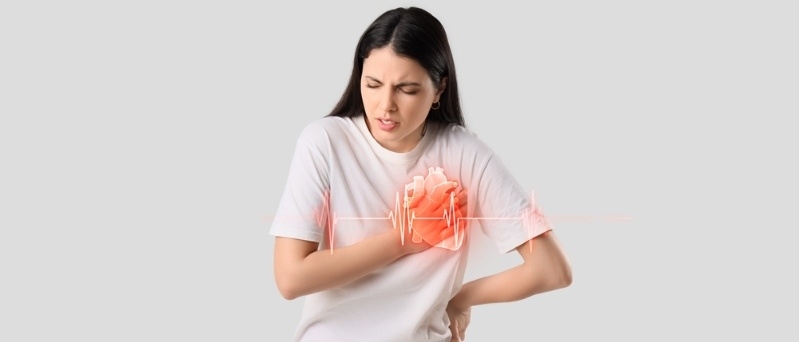
A silent heart attack does not always mean zero symptoms. It can mean symptoms are mild, strange, or mistaken for something else. A woman may remember feeling exhausted, mildly short of breath, sweaty, lightheaded, or uncomfortable in the chest or upper body but not realize it was heart-related.
Silent heart attack symptoms are especially concerning because people may not seek help quickly. Women with diabetes or older adults may be more likely to have mild or unusual symptoms, according to the Mayo Clinic.
If a woman later discovers she had a silent heart attack, she still needs medical follow-up. Heart damage, rhythm issues, and future risk should be properly assessed.
When to Call for Emergency Help?
If a woman has possible heart attack symptoms, she should call emergency services right away. Driving herself is not safe. Waiting for a regular appointment is not enough.
Call for immediate aid if:
- Pressure, tightness, squeezing, or discomfort in the chest
- Shortness of breath with or without chest pain
- Pain in the jaw, neck, back, shoulder, arm or upper stomach
- Cold sweats, nausea, vomiting or dizziness
- Sudden severe tiredness or weakness
- Symptoms that seem odd, alarming, or worse
The CDC recommends contacting 9-1-1 immediately if women experience symptoms such as discomfort in the chest, pain in the upper back or neck, indigestion, nausea, excessive exhaustion, dizziness, or shortness of breath.
Also Read: Early Signs Of Rheumatoid Arthritis People Ignore
Final Thoughts
The most important thing about heart attack symptoms in women is that they may not look obvious. Chest pressure may be mild. Fatigue may feel strange but not dramatic. Jaw pain, nausea, sweating, breathlessness, or upper back pressure may seem unrelated at first.
For women over 50, early heart attack symptoms in women over 50 should be taken seriously, especially when symptoms are new, sudden, unusual, or appear together. Fast care can save heart muscle and life.
It is better to be checked and told it was not a heart attack than to stay home and lose critical time.
FAQ
1. Can a Woman Have a Heart Attack Without Chest Pain?
Yes, it can happen. Chest discomfort is still common, but some women mainly feel shortness of breath, nausea, back pressure, jaw pain, sweating, dizziness, or unusual fatigue. That is why relying only on chest pain can be risky. If symptoms feel sudden or unusual, especially in a woman over 50, emergency care is safer than guessing.
2. How Can Someone Tell the Difference Between Heartburn and a Heart Attack?
It is not always easy, and that is the problem. Heartburn may feel like burning after food, while heart attack discomfort may come with pressure, sweating, breathlessness, nausea, jaw pain, or arm pain. But symptoms can overlap. In case the pain is new, intense, or radiating or other symptoms are associated, it should be considered an emergency.
3. What Should a Woman do While Waiting for Emergency Help?
She should stop activity, sit or lie down, and avoid driving herself. If emergency services give instructions, follow them. It helps to unlock the door, keep a medication list nearby, and tell someone close what is happening. The main thing is not to wait alone hoping symptoms disappear. Minutes matter during a possible heart attack.
This content was created by AI