Thunderstorm Asthma: What It Is And Why It Matters


A thunderstorm usually makes people think about rain, wind, lightning, maybe a power cut if the weather is being dramatic. Asthma is not the first thing most people picture. But for some people, especially those with asthma, hay fever, or pollen allergy, thunderstorms can trigger sudden breathing problems. That is where Thunderstorm asthma comes in. UKHSA defines it as a rise in asthma symptoms and medical visits linked to thunderstorm activity, and public health sources have tracked major events in places including the UK and Australia.
What makes it unsettling is how quickly it can happen. Someone may feel mostly fine, then a storm rolls in during pollen season and breathing becomes tight, wheezy, or genuinely scary. Not ideal. Not rare enough to ignore either. Healthdirect says adults who are sensitive to grass pollen and have seasonal hay fever are among those at highest risk.
That is why this topic matters. It is not just “bad air” in a general sense. It is a specific weather-and-allergen setup that can trigger real asthma attacks.
Why Thunderstorm Asthma Happens
The short version is this: thunderstorms can break pollen grains into much smaller particles, and those smaller particles can be breathed deep into the lungs more easily than whole pollen grains. AAAAI notes that thunderstorm asthma can happen with pollens and molds, especially in the first 20 to 30 minutes of a thunderstorm, while review literature describes how storm conditions and pollen season combine to trigger attacks in susceptible people.
So, What causes thunderstorm asthma? It is usually not the rain alone. It is the mix of storm winds, moisture, and airborne allergens, often during high-pollen periods. Healthdirect specifically describes thunderstorm asthma as asthma triggered by a mixture of thunderstorm conditions and grass pollen in the air.
That is why these events are more likely during pollen season, not just during any random storm. Timing matters.
Who Is More At Risk
Not everyone caught in a storm is equally vulnerable. Public health and asthma organizations consistently point to a few groups who should be more careful: people with asthma, people with hay fever or seasonal pollen allergy, and people with a known sensitivity to grass pollen. Healthdirect says adults sensitive to grass pollen and those with seasonal hay fever are at highest risk, while Asthma Australia says people with asthma and rye grass pollen allergy are particularly vulnerable during events.
There is another twist. Some people affected during thunderstorm asthma events may not have a formal asthma diagnosis but may still have allergic rhinitis or undiagnosed asthma symptoms. That is one reason these outbreaks can catch people off guard. UKHSA and review articles both describe thunderstorm asthma as something that can affect predisposed allergic patients, not only people who already think of themselves as having severe asthma.
So if someone has hay fever plus occasional tight chest, wheeze, or cough during pollen season, that is not something to shrug off.
Thunderstorm Asthma Symptoms To Watch For
The main Thunderstorm asthma symptoms look a lot like regular asthma symptoms, but they can begin suddenly around a storm. Healthdirect lists shortness of breath, chest tightness, wheezing, and persistent coughing. Asthma organizations also flag difficulty breathing and rapid symptom worsening as reasons to act quickly.
People may also notice that symptoms appear very close to thunderstorm activity, especially when pollen counts are high. UKHSA says thunderstorm asthma is linked to an increase in people reporting asthma symptoms and seeking medical attention during storm activity.
If someone is struggling to speak properly, feels severe breathlessness, or symptoms are not easing, that is urgent. NHS guidance for asthma attacks says to sit upright, stay calm, and use a reliever inhaler if available, then call emergency services if symptoms are severe or not improving.
Why It Can Feel So Sudden
This is the part that makes people uneasy. A typical seasonal allergy day may cause itchy eyes or a runny nose. Thunderstorm asthma can go beyond that because the storm process changes what reaches the lungs. AAAAI notes that the first 20 to 30 minutes of a thunderstorm can be a higher-risk period for this.
That means someone may step outside thinking it is “just stormy” and suddenly feel chest tightness or wheezing that is much more intense than usual hay fever symptoms. It can feel abrupt because, in many cases, it is.
So yes, context matters. Hay fever plus a storm during pollen season is not the moment to ignore breathing changes.
How To Treat Thunderstorm Asthma?
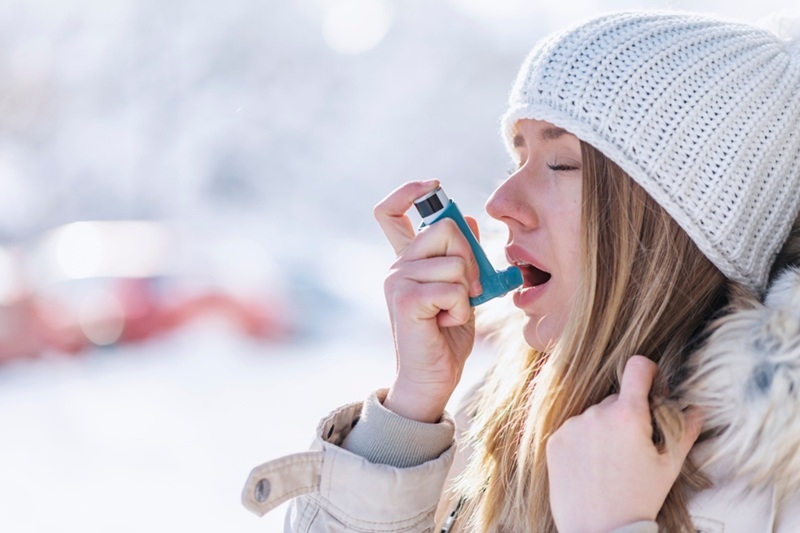
The safest answer to How to treat thunderstorm asthma? is to treat it like an asthma flare or asthma attack, using the person’s prescribed reliever and action plan if they have one, and getting urgent medical help if symptoms are severe or not improving. NHS says that during an asthma attack a person should sit up straight, stay calm, use their reliever inhaler if they have one, and call emergency services if they are too breathless to speak, getting worse, or not improving.
Healthdirect says mild or moderate thunderstorm asthma symptoms should be treated with the person’s asthma inhaler, while severe symptoms need urgent medical attention. Asthma Australia also stresses that regular prescribed asthma medicines, especially inhaled corticosteroid preventer treatment when indicated, can help reduce the risk of severe attacks.
This is not a situation for toughing it out. If breathing is getting worse, emergency care matters more than guessing.
On a Similar Note: Heart Not Beating Normally? Causes, Signs, And Actions
How Long Does Thunderstorm Asthma Last
People naturally ask, how long does thunderstorm asthma last? The frustrating answer is that there is no one exact clock. The event risk is often tied closely to the storm and the airborne allergens around it, but the breathing symptoms can last longer depending on how severe the attack is and how quickly treatment begins. Public sources describe the onset around storm activity, but symptom duration varies by person and by the severity of the asthma flare.
For some people, symptoms may settle after prompt treatment. For others, the flare can continue and need urgent or hospital care. That is why duration should not be used as the main measure of seriousness. If symptoms are strong, escalating, or not responding as expected, it is an emergency question, not a waiting game. NHS asthma-attack guidance supports urgent escalation when symptoms are severe or not improving.
So the better question is often not “How long will this last?” but “Is this getting safer or more dangerous?”
How To Lower The Risk Before A Storm
The best prevention advice is pretty consistent. During pollen season, especially if a person has asthma or hay fever, it helps to monitor forecasts and warnings, stay indoors with windows closed when strong thunderstorms are approaching, and keep prescribed asthma medicines up to date. AAAAI says people with seasonal or mold allergies should be cautious about being outdoors during a strong approaching thunderstorm and consider staying inside with closed windows. Asthma Australia also recommends good year-round asthma management and continuing prescribed preventer medicines.
If someone has hay fever, controlling that matters too. Oxford Health notes that antihistamines and steroid nasal sprays may help control pollen allergy in those affected.
None of this is dramatic. It is just smart preparation. In this case, boring is good.
When To Take Symptoms Very Seriously
If someone has sudden shortness of breath, wheeze, chest tightness, or a persistent cough during a storm and it feels worse than usual, they should not dismiss it as “just allergies.” Thunderstorm asthma can become severe quickly, and outbreaks have overwhelmed emergency services in the past. UKHSA specifically points to the severe Melbourne event in 2016, which caused a major surge in emergency demand and multiple deaths.
That is why Thunderstorm asthma symptoms need respect, not casual guessing. If a person is struggling to breathe, cannot speak in full sentences, is getting worse, or their reliever is not helping enough, emergency care is the right move. NHS asthma attack guidance is clear on escalation when symptoms are severe or not improving.
Breathing problems are not the moment for optimism-based decision-making.
Read More: Post-Surgery Physiotherapy Rehab at Home: A Complete Guide
Conclusion: The Difference Between Being Careful And Being Fearful
This is worth saying. Being informed does not mean panicking every time the weather turns dark. Most thunderstorms do not trigger major public health events, and not everyone with hay fever will develop storm-related asthma symptoms. But if a person already has asthma, seasonal allergies, or both, awareness is reasonable.
That means knowing What causes thunderstorm asthma?, noticing early symptoms, keeping rescue medication accessible if prescribed, and not hanging around outside during a high-pollen storm just to “see how it goes.” Healthdirect and AAAAI both support limiting outdoor exposure during risky storm conditions for susceptible people.
Prepared is better than surprised. That is really the whole thing.
FAQs
1. Can Thunderstorm Asthma Happen To Someone Who Mostly Just Has Hay Fever?
Yes. Public health and allergy sources note that people with seasonal hay fever or grass pollen allergy can be at higher risk, even if they do not think of themselves as having severe asthma.
2. Is Thunderstorm Asthma More Likely At The Start Of A Storm?
It can be. AAAAI says thunderstorm asthma may happen particularly in the first 20 to 30 minutes of a thunderstorm, when storm conditions can concentrate and disperse tiny allergen particles.
3. Should Someone Keep Their Preventer Inhaler Going Even When They Feel Fine?
Yes, if it has been prescribed for regular use. Asthma Australia says preventer medicines, including inhaled corticosteroids, can help protect against severe asthma attacks and may also help reduce severe thunderstorm asthma risk.
This content was created by AI