Heart Disease Symptoms, Causes, And Treatment Basics

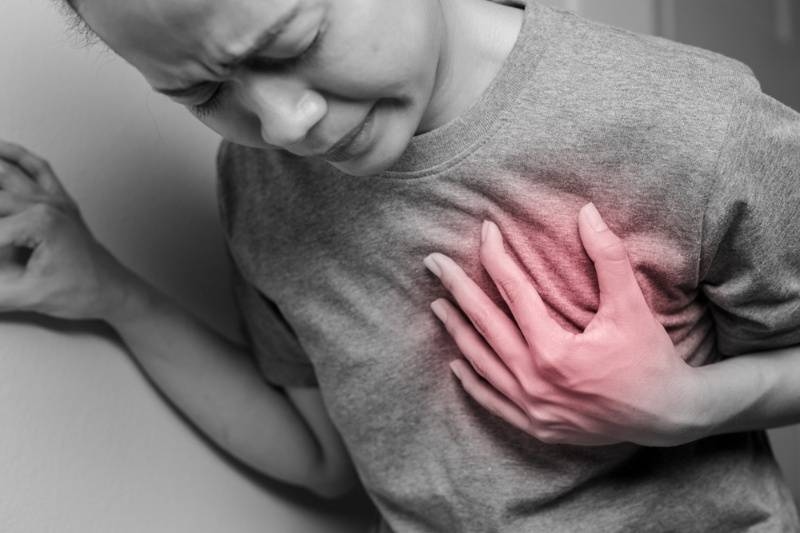
Heart disease is one of those terms people hear all the time, but many do not stop to think about what it actually covers. It is not just one condition. Mayo Clinic explains that heart disease is a broad term that includes blood vessel disease such as coronary artery disease, irregular heart rhythms, heart muscle disease, valve disease, and some heart problems present at birth. CDC also treats heart disease as a group of conditions, with coronary artery disease being the most common type.
That matters because the warning signs do not always look dramatic at first. Sometimes they creep in slowly. A little chest discomfort. Shortness of breath walking upstairs. Fatigue that feels easy to brush off. Other times the first clue is much more urgent, like a heart attack. That is exactly why understanding heart disease symptoms can be so important.
Heart Disease Symptoms Can Look Different Than People Expect
A lot of people picture heart disease as sudden crushing chest pain and nothing else. That can happen, yes. But symptoms can also be quieter and easier to miss.
NHLBI says coronary heart disease symptoms can include chest pain, shortness of breath, and pain in the neck, especially with exertion or stress. CDC says signs can also include upper back or neck pain, heartburn, nausea or vomiting, extreme fatigue, dizziness, and shortness of breath during a heart attack. Mayo Clinic adds that different heart conditions may also cause palpitations, swelling, weakness, or fainting.
That is why the phrase “signs of heart disease” covers more than one obvious symptom. The body does not always announce trouble in a neat, textbook way. Sometimes it just starts sending hints. Uncomfortable ones. Confusing ones. Easy-to-ignore ones.
Chest Pain Matters, But It Is Not The Only Clue
Chest pain or pressure is still one of the most recognized symptoms, especially with coronary artery disease. CDC says angina, which is chest pain or discomfort caused by reduced blood flow, is the most common symptom of coronary artery disease. Mayo Clinic also notes that reduced blood flow to the heart may cause chest pain and shortness of breath.
But it is not the whole picture. Some people feel pain in the jaw, neck, shoulder, or back instead. Some mainly feel short of breath. Some feel suddenly tired in a way that seems out of proportion to what they are doing. The CDC says heart attack warning signs may include nausea, light-headedness, unusual fatigue, and pain in the jaw, neck, back, arm, or shoulder.
That mix is part of what makes heart disease symptoms tricky. Not every dangerous symptom feels dramatic in the moment.
Causes Of Heart Disease Usually Build Up Over Time
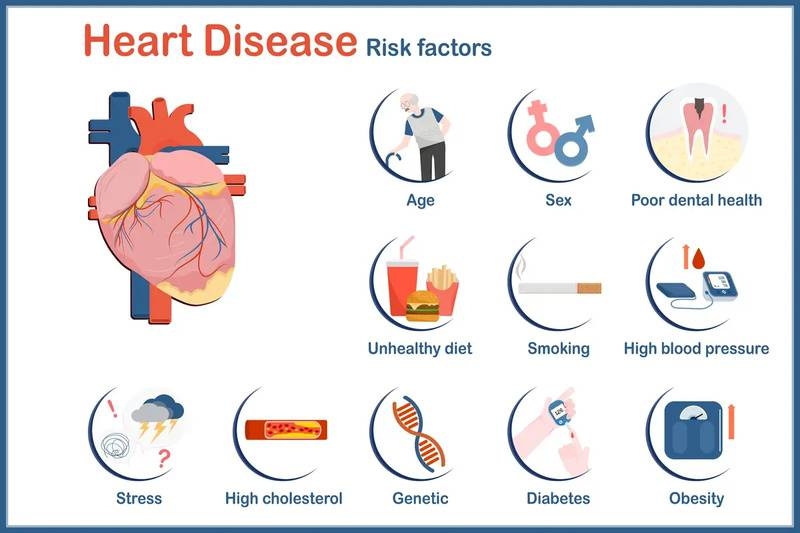
When people ask about the causes of heart disease, the answer is usually not one single thing. It is more often a buildup of risks and damage over time.
NHLBI says coronary heart disease can be caused by plaque buildup in the coronary arteries or by problems that affect how the heart’s blood vessels work. Mayo Clinic explains that coronary artery disease usually develops when cholesterol deposits collect in artery walls, narrowing them and reducing blood flow. CDC lists high blood pressure, high cholesterol, and smoking among the key risk factors for heart disease.
Age and family history matter too, and CDC notes that some risk factors cannot be controlled. But many can. Smoking, high blood pressure, high cholesterol, inactivity, and poor lifestyle habits all play a role in worsening overall cardiovascular disease risk.
Heart Disease Is Not Just About Arteries
One reason people get confused is that they often think heart disease means only blocked arteries. That is a big part of it, but not the whole story.
CDC says arrhythmias can cause fluttering feelings in the chest, while heart failure may lead to shortness of breath, fatigue, and swelling in the feet, ankles, legs, abdomen, or neck veins. Mayo Clinic adds that heart failure symptoms may include wheezing, rapid weight gain from fluid buildup, and trouble lying flat because of breathing discomfort.
So when someone talks about cardiovascular disease, they are often talking about a wider system of heart and blood vessel problems, not only one blocked artery. That wider view matters because it changes how symptoms are recognized and treated.
Read More: Building Blocks Of Bone Health And How To Protect Yours
Some Symptoms Need Emergency Care Right Away
This part should be taken seriously. Chest pain, sudden shortness of breath, fainting, severe weakness, or a fast irregular heartbeat with chest pain can all be signs of an emergency.
The CDC says heart attack symptoms can include chest discomfort, shortness of breath, pain in the jaw, neck, back, arm, or shoulder, nausea, light-headedness, and unusual tiredness. Mayo Clinic says people with heart failure symptoms should seek emergency help for chest pain, fainting, severe weakness, or sudden severe shortness of breath.
So yes, knowing the signs of heart disease is important for daily awareness. But knowing when to stop reading and get urgent help is even more important.
Heart Disease Treatment Depends On The Type And Severity
There is no one-size-fits-all heart disease treatment plan because heart disease itself is not one condition. Treatment depends on what type of problem is present and how advanced it is.
NHLBI says coronary heart disease treatment may include heart-healthy lifestyle changes, medicines, or procedures to prevent a heart attack or other health problems. Mayo Clinic says treatment for heart disease can include lifestyle changes, medicines, catheter-based procedures, implanted devices, or surgery depending on the condition.
That range matters. Some people need medication and risk-factor control. Some need stents or bypass surgery. Others need treatment for rhythm problems or heart failure. It really depends on the diagnosis.
Lifestyle Changes Are Still A Big Part Of Treatment
This part can sound repetitive, but that is because it matters. A lot.
NHLBI says heart-healthy lifestyle changes are part of treatment for coronary heart disease, and Mayo Clinic says many forms of heart disease can be prevented or treated with healthy lifestyle choices. That usually means not smoking, eating a nutritious diet, staying physically active, managing blood pressure and cholesterol, and keeping diabetes under control if present.
This is where heart health becomes more than a vague wellness phrase. It turns into daily habits that influence the arteries, the heart muscle, blood pressure, and long-term risk. Not glamorous, maybe. Still powerful.
Medicines And Procedures Can Save Lives
Lifestyle changes matter, but some people need more than that. Mayo Clinic says treatment can include medicines to lower blood pressure, reduce cholesterol, control heart rhythm, or decrease strain on the heart. For heart failure specifically, Mayo Clinic notes that beta blockers can reduce symptoms and help the heart work better.
For blocked arteries or major blood-flow problems, doctors may recommend procedures. Mayo Clinic says treatment for coronary artery disease can include medicines and surgery, while NHLBI notes that procedures may be used to manage coronary heart disease and prevent complications.
That is why heart disease treatment should never be reduced to one blog-style answer. The correct plan depends on the actual condition, symptoms, risk level, and test results.
Read More: Endometriosis Diet: What to Eat to Reduce Daily Symptoms
Conclusion: Prevention And Early Action Really Do Matter
The frustrating thing about heart disease is that it can build quietly for years. The encouraging thing is that many risk factors can be managed before things get worse.
CDC says high blood pressure, high cholesterol, and smoking are major risk factors, and that changing controllable factors can lower risk. NHLBI also says taking steps early in life to keep the heart and blood vessels healthy can prevent risk factors from developing.
That does not mean prevention is perfect. But it does mean better heart health habits can meaningfully change the odds over time.
FAQs
1. What Are The Most Common Heart Disease Symptoms?
Common symptoms include chest pain or discomfort, shortness of breath, fatigue, pain in the neck, jaw, back, arm, or shoulder, dizziness, nausea, palpitations, and swelling in the legs or feet depending on the condition.
2. What Causes Heart Disease Most Often?
Common causes and risk factors include plaque buildup in the arteries, high blood pressure, high cholesterol, smoking, diabetes, age, and family history.
3. How Is Heart Disease Usually Treated?
Treatment may include heart-healthy lifestyle changes, medicines, and in some cases, procedures or surgery. The exact treatment depends on the type of heart disease and how severe it is.
This content was created by AI