Building Blocks Of Bone Health And How To Protect Yours

Most people don’t think about bones until something hurts. A nagging back ache. A wrist that feels fragile. A doctor mentioning “density” in a way that makes the room feel suddenly serious.
But bones aren’t just passive scaffolding. They are living tissue. They respond to what someone eats, how they move, and the habits they repeat. That’s why Bone health is not a senior-only topic. It’s a lifetime topic.
This guide explains what bones need, what weakens them, and how to protect them without turning life into a full-time wellness project.
Bone Health Starts Earlier Than People Realize
Bones build most aggressively in youth and early adulthood, but they keep changing throughout life. Think of bone like a savings account. Early years are when people “deposit” strength. Later years are about maintaining, slowing losses, and avoiding withdrawals that happen too fast.
When someone hears about Bone density, it’s basically a measure of how much mineral content is packed into bone. Higher density generally means stronger bones. Lower density means bones may fracture more easily.
The goal is not perfection. The goal is giving bones what they need and avoiding habits that drain them.
The Three Building Blocks That Matter Most
Bones need several nutrients and lifestyle signals to stay strong, but these three show up again and again.
Calcium: The Core Mineral
Calcium for bones matters because bones store a large portion of the body’s calcium. If dietary calcium is low, the body may pull calcium from bone to maintain normal blood levels. That’s not a fun trade.
Food sources are often the easiest route: dairy, fortified plant milks, leafy greens, tofu made with calcium, and some fish with edible bones like sardines. The key is consistency. Calcium is not a “once a week” nutrient.
Vitamin D: The Helper That Makes Calcium Useful
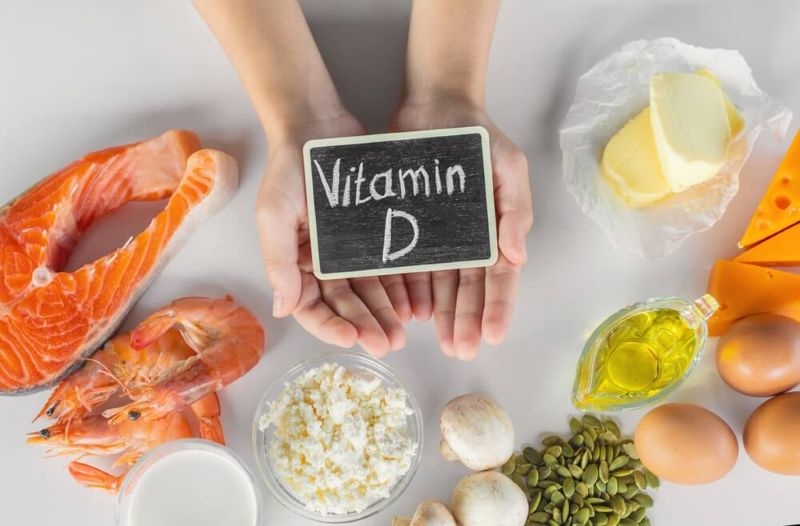
Vitamin D helps the body absorb calcium efficiently. Without enough Vitamin D for bone health, calcium intake might not be used as well as it should be.
Vitamin D comes from sunlight and certain foods, but many people don’t get enough through food alone. That’s why checking levels can be helpful for some individuals, especially those with limited sun exposure.
Weight-Bearing Movement: The Signal That Bones Respond To
Bones strengthen when they receive impact or load. Walking, hiking, dancing, stair climbing, resistance training, and bodyweight exercises all count.
Swimming and cycling are great for cardiovascular health, but they don’t provide the same bone-loading signal. They’re still good, just not the full bone-health picture on their own.
Bone Density And Why Strength Training Helps So Much
A lot of people assume bones “just weaken with age” and there’s nothing to do about it. That’s not true. While aging can reduce bone mass, strength training can help slow loss and support stronger structure.
Resistance training creates a stress signal that tells bones to adapt. That adaptation supports Bone density over time.
Simple bone-friendly moves include:
- Squats or sit-to-stands from a chair
- Lunges or step-ups
- Pushups on a wall or bench
- Carrying groceries or using dumbbells safely
- Resistance band rows
The goal is not lifting heavy like a superhero. It’s regular loading that bones can respond to.
Osteoporosis Prevention Without The Panic
Osteoporosis is when bones become more porous and fragile, increasing fracture risk. Osteoporosis prevention is really about building and maintaining strength before risk becomes urgent, plus reducing fall risk later.
Prevention looks like:
- Enough calcium and vitamin D
- Regular weight-bearing and resistance exercise
- Avoiding smoking
- Limiting excessive alcohol
- Maintaining healthy body weight and muscle mass
- Getting screened when appropriate, especially with risk factors
Some people are at higher risk due to genetics, hormones, long-term steroid use, certain medical conditions, or early menopause. Those individuals may benefit from earlier screening and more targeted care.
But for most people, prevention starts with boring basics that work.
Everyday Habits That Quietly Weaken Bones
Some habits don’t feel related to bones, but they matter.
- Low activity levels: bones respond to movement
- Very low calorie intake: can reduce nutrients and affect hormones
- High soda intake: often replaces calcium-rich drinks
- Smoking: linked with weaker bone and higher fracture risk
- Chronic stress and poor sleep: can impact hormones and recovery
This is why Bone health is not just a supplement conversation. It’s a lifestyle conversation.
Do Checkout: Understanding Tinnitus: Causes, Symptoms, and Treatment
Do Bone Health Supplements Help Or Not?
Some people can meet their needs through diet. Others struggle, especially with limited food variety, digestive issues, or low vitamin D levels. That’s where Bone health supplements may come in.
Common supplements discussed include calcium, vitamin D, and sometimes magnesium or vitamin K depending on medical guidance.
But supplements are not a free pass. Too much calcium can cause issues for some people. Vitamin D supplementation should ideally be based on actual needs. And supplements don’t replace exercise. Bones need nutrients and loading signals.
A smart approach is:
- Start with food and movement
- Use supplements only if diet falls short or levels are low
- Check with a clinician for personal risks and dosing
That keeps the approach safe and realistic.
The “Simple Weekly Plan” That Supports Strong Bones
If someone wants a practical routine without overcomplicating it, this works well:
Most days:
- 30 minutes of walking or weight-bearing activity
Two to three days a week:
- Basic resistance training, even 20 to 30 minutes
Daily:
- Calcium-rich foods
- Adequate protein
- Enough vitamin D through sun, food, or supplements if needed
Plus one underrated bonus:
Balance training. A lot of fractures happen from falls, not just weak bones. Simple balance work like standing on one foot near a counter, heel-to-toe walking, or gentle yoga can reduce risk.
This approach supports Osteoporosis prevention while improving overall strength and stability.
What To Watch For And When To Get Checked
People don’t need to obsess. But they should pay attention if there are risk factors or warning signs.
Situations where someone might consider talking to a clinician:
- Family history of osteoporosis
- Frequent fractures or low-impact fractures
- Long-term steroid medication use
- Early menopause or hormone issues
- Low body weight and low nutrient intake
- Chronic digestive conditions affecting absorption
Testing bone density is common in certain age groups and risk categories. The goal is not fear. It’s information.
Conclusion: Bone Health Is A Long Game, But It’s Not Complicated
There’s no one perfect formula. There’s just steady effort. Eat for strong bones. Move in ways that load bones. Avoid habits that drain them. Check in with professionals when risk is higher.
That’s it. And the best part is, most of these habits also improve energy, posture, confidence, and overall health. Bones aren’t separate from the rest of the body. They’re part of the whole system.
Read More: What is Dementia? A Guide to Symptoms, Types, and Causes
FAQs
1. How Much Calcium Does Someone Need For Bone Health?
Needs vary by age and health status, but many adults aim for a consistent daily intake through food first. A clinician can give personalized guidance, especially if supplementation is considered.
2. Does Vitamin D Really Matter If Calcium Intake Is High?
Yes. Vitamin D for bone health supports calcium absorption. Without enough vitamin D, the body may not use calcium efficiently, even if intake looks good on paper.
3. Are Bone Health Supplements Necessary For Everyone?
Not always. Some people meet needs through diet and sunlight. Bone health supplements may help when intake is low, vitamin D levels are low, or absorption is limited, but they should be used thoughtfully and safely.
This content was created by AI