Fatty Liver Disease (MASLD): What are the Symptoms & Causes?


Fatty liver disease is a condition where fat builds up inside the liver and slowly affects how it works. It often starts quietly, and many people do not notice anything unusual in the beginning. That is what makes it tricky.
This blog will help you identify the MASLD symptoms and understand the most common causes of fatty liver. It will also cover the best treatment for this disease.
Must Read: Common Symptoms of Alpha-Gal Syndrome & Do They Go Away?
Understanding the Most Common MASLD Symptoms
The early stage feels normal for most people. There is no sudden warning, no sharp pain, nothing dramatic. But the body does show small changes if someone pays attention.
1. Feeling Tired Most of the Time
Many people start feeling low on energy even after proper rest. It is not extreme, just a constant dull tiredness that stays throughout the day.
2. Mild Discomfort in the Upper Abdomen
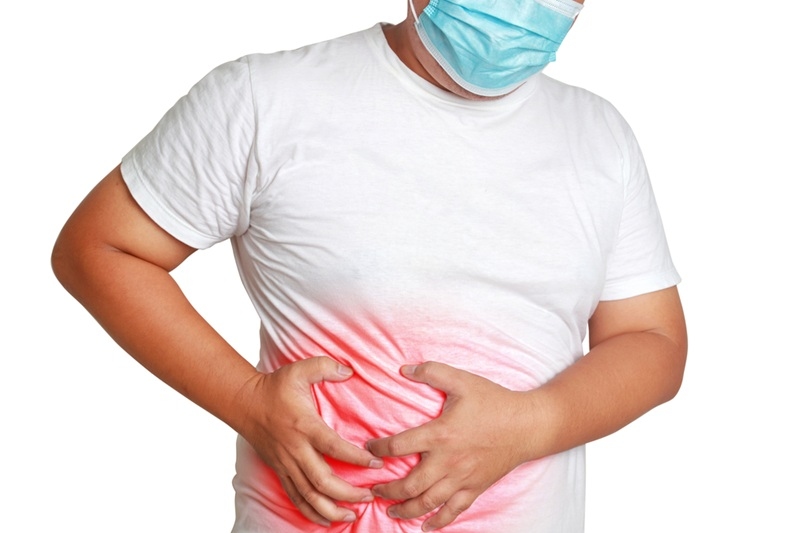
There can be a light pain or pressure on the upper right side of the stomach. It is easy to ignore because it does not feel serious at first.
3. General Uneasiness
Some individuals feel off without knowing why. There is no clear illness, but the body feels slower and less active than usual.
4. Signs That Show Up Later
Liver disease symptoms become more visible as the condition progresses. Swelling in the belly, yellowing of the eyes, and skin irritation may appear. These are not early signs and should not be ignored.
What are the Biggest Fatty Liver Causes?
The causes are mostly linked to daily habits and how the body handles fat and sugar. It does not happen overnight. It builds up slowly.
1. Excess Weight Around the Body
Extra weight, especially near the stomach area, increases fat storage. Some of this fat ends up in the liver, making it less efficient over time.
2. Poor Eating Habits
Food choices matter more than people think. Regular intake of oily, sugary, and processed foods leads to fat buildup and affects liver health.
3. Lack of Movement
A lifestyle with little physical activity slows down how the body uses energy. This leads to fat storage instead of fat usage.
4. Blood Sugar Issues
When sugar levels are not balanced, the body stores more fat. This is one of the common causes of fatty liver seen in many people today.
How is Nonalcoholic Fatty Liver Caused?
This condition is not related to alcohol. It develops because of internal changes in how the body processes food and energy.
1. Insulin Resistance
The body stops responding properly to insulin. This leads to higher fat storage instead of using that energy for daily activities.
2. Hormonal Changes
Hormones play a role in how fat is stored. When they are not balanced, the body may start storing more fat than needed.
3. Genetic Influence
Some people are more likely to develop nonalcoholic fatty liver because of family history. The risk can still be higher even with normal habits.
4. Slower Body Function
A slower metabolism means fewer calories are burned. This increases fat storage and affects liver performance over time.
Food and Drinks to Avoid Fatty Liver Disease
Food habits directly impact liver health. Some items increase fat buildup and should be limited or avoided as much as possible.
1. Sugary Drinks
Soft drinks and packaged juices contain high sugar. Regular use increases fat levels and puts pressure on the liver.
2. Fried Foods
Deep-fried snacks and fast food contain unhealthy fats. These fats are harder to process and often get stored in the liver.
3. Refined Foods
Items made with white flour or refined grains increase sugar levels quickly. This leads to more fat storage in the body.
4. High Salt Intake
Too much salt affects fluid balance and adds stress to the body. It may not seem connected, but it plays a role in overall liver health.
5 Best Fatty Liver Treatment in 2026
Treatment is not about quick fixes. It is more about steady changes that work over time. Small steps matter here.
1. Weight Control
Losing extra weight helps reduce fat inside the liver. Even a small drop in weight can make a clear difference.
2. Healthy Eating Pattern
A simple diet with fresh food supports the body better. It helps control sugar levels and reduces fat buildup.
3. Daily Activity
Regular movement improves how the body uses energy. Walking, stretching, or light exercise helps in fatty liver treatment naturally.
4. Managing Health Conditions
You need to control your blood pressure, sugar level, and cholesterol to support recovery. It also prevents further damage.
5. Avoiding Harmful Habits
Reducing processed food and unhealthy lifestyle choices gives the liver time to heal and function better.
Tips to Recover from Fatty Liver Disease
Recovery does not happen in one step. It builds slowly with daily effort and consistent habits.
Follow a Simple Routine
Eating and sleeping at the same time every day helps the body stay balanced. It also improves digestion and energy levels.
Drink Enough Water
Water helps remove waste from the body. It supports smooth functioning and keeps the system active.
Get Proper Sleep
Sleep plays a key role, but it is something that people ignore. Poor sleep slows down recovery and affects metabolism.
Stay Calm and Manage Stress
Stress affects the body more than expected. Keeping it under control supports better health and steady recovery.
Conclusion
Fatty liver disease may start quietly, but it should not be ignored. Early attention, simple lifestyle changes, and steady habits can make a big difference. Managing food, activity, and overall health helps the liver recover and stay healthy in the long run.
Frequently Asked Questions
1. What are the early signs of fatty liver disease?
The early symptoms are mild and barely noticeable. You may experience fatigue and discomfort in your upper stomach. They may not be alarming initially; however, they could signal a change in how your liver functions.
2. Can fatty liver disease be cured completely?
It is easy to cure with some adjustments in your daily life. You can start by eating healthy food and doing regular workouts to maintain your body weight. This could make a difference in reducing liver fat.
3. Is nonalcoholic fatty liver disease dangerous?
It can become serious if ignored for too long. In early stages, it may not cause harm, but in advanced stages, it can lead to liver damage. Timely action and better habits can prevent complications and support recovery.
This content was created by AI