Common Symptoms of Alpha-Gal Syndrome & Do They Go Away?

Alpha-gal syndrome is a food allergy linked to red meat and animal-based products. It develops after certain tick bites and shows delayed reactions.
This blog explains what alpha-gal syndrome is and the most common symptoms of this syndrome. It will also help you understand how doctors diagnose alpha-gal syndrome.
Must Read: Skin Issue: Vitiligo Explained: Causes, Symptoms & Treatment
What is Alpha-Gal Syndrome?
To understand what alpha-gal syndrome is, you need to understand how different it feels from a usual allergy. It does not hit instantly. It takes time. That delay changes everything.
This condition is linked to a sugar molecule called alpha-gal. It is found in red meat like beef, pork, and lamb. When a person develops this allergy, the body starts treating that molecule as a threat. And that is where the problem begins.
Most cases start after a tick bite. The bite introduces alpha-gal into the body. The immune system reacts, slowly building a response that later turns into an allergy. It is not dramatic at first. In fact, many people do not even notice the shift happening.
Then one day, reactions start. Not immediately. Hours later. That gap between eating and reacting creates confusion. People often blame the wrong food. Or they ignore it. Until it happens again.
What are the First Symptoms of Alpha-Gal Syndrome?
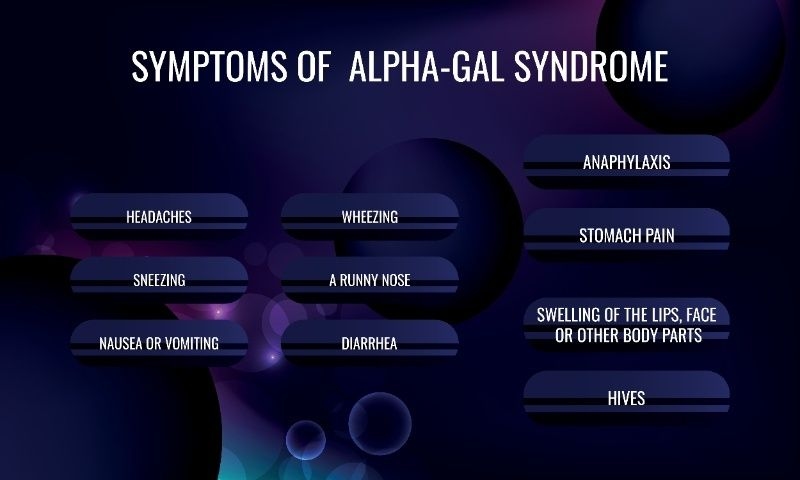
The early signs do not always feel serious. They can look normal, almost harmless. But they tend to repeat, and that pattern tells a different story.
1. Skin Reactions That Appear Late
It often starts with itching or red patches on the skin. Some notice hives that come and go without a clear reason. The delay makes it hard to connect these reactions to food eaten hours before.
2. Digestive Issues That Feel Common
Stomach pain, nausea, or even loose motions may follow meals. These signs can be mistaken for everyday digestive trouble. But when they keep returning to similar meals, that points to something more specific.
3. Strange Tiredness After Eating
A sudden drop in energy or feeling weak after meals is another early sign. It does not always feel serious, yet it stands out when it keeps happening without a clear cause.
Top Pick: Heart Disease Symptoms, Causes, And Treatment Basics
Understanding the Alpha-Gal Syndrome Causes
The causes of alpha-gal syndrome are not random. They can happen because of various reasons; you can find them below:
1. Tick Bites That Trigger the Change
Certain ticks carry alpha-gal. When they bite, they pass this molecule into the body. This moment often marks the beginning of the allergy, even if symptoms appear much later.
2. Immune System Reaction Over Time
The body slowly starts reacting to alpha-gal after exposure. It begins treating it as harmful. This leads to allergic responses when foods with the same molecule are consumed.
Repeated Exposure Increasing Sensitivity
More exposure, whether from tick bites or food, can make reactions stronger. Over time, the body becomes more sensitive, and symptoms may appear more often or with greater intensity.
How Do Doctors Diagnose Alpha-Gal Syndrome?
Diagnosis is not always quick. It takes observation, testing, and sometimes patience. Doctors look at patterns before reaching a clear answer.
1. Evaluation in Allergy Clinics
Doctors begin by understanding the patient’s history. They ask about symptoms, food habits, and timing of reactions. This step helps in spotting patterns that are not obvious at first.
2. Blood Tests in Diagnostic Laboratories
Blood tests are used to detect specific antibodies linked to this condition. These tests provide strong evidence and help confirm what the body is reacting to.
3. Detailed Food Tracking in Medical Centers
Patients may be asked to track what they eat and when symptoms appear. This record helps doctors connect delayed reactions with specific foods and confirm the diagnosis with more clarity.
Do Alpha-Gal Syndrome Symptoms Go Away Over Time?
This is where things get uncertain. There is no single answer that fits everyone.
Some people notice that symptoms become less intense over time. This usually happens when they avoid trigger foods and prevent further tick bites. The body, in some cases, becomes less reactive.
But that is not always the case. For others, the condition stays. It does not fully disappear. Managing it becomes part of daily life.
There are also situations where symptoms return after a new tick bite. Even if someone were improving, a fresh exposure could bring back reactions. That is why prevention plays a big role.
Regular follow-ups help in understanding how the condition is changing. Doctors may suggest small adjustments based on progress. But caution is always advised.
How to Live with Alpha-Gal Syndrome Day-to-Day?
Managing this condition is not just about avoiding red meat. It goes deeper than that.
Some foods may contain hidden animal-based ingredients. Reading labels becomes a habit. It is not always easy, but it becomes routine with time.
Outdoor habits also change. People become more careful in areas where ticks are common. Protective clothing and awareness help reduce risk.
Support matters too. When people understand the condition, it becomes easier to manage. With the right approach, daily life continues without constant worry.
Conclusion
Alpha-gal syndrome may feel confusing at first due to delayed symptoms and unclear triggers. With awareness and simple changes, it becomes manageable. Some people see improvement over time, while others need long-term care. Avoiding triggers and staying alert remains the most reliable way to handle it.
Frequently Asked Questions
1. What is alpha-gal syndrome, and why is it different?
The alpha-gal allergy is unique because its symptoms manifest after some time. Unlike most allergies, this one may take a few hours for the symptoms to show. Alpha-gal syndrome occurs when someone eats red meat after being bitten by a tick.
2. What are the alpha-gal syndrome symptoms people should watch for?
The symptoms of alpha-gal syndrome include rashes, nausea, abdominal pain, vomiting, and itchiness. Additionally, some individuals might experience fatigue after consuming the allergen. However, since the symptoms of this condition develop over time, they may be hard to trace unless one carefully looks for patterns.
3. What are the key alpha-gal syndrome causes?
The primary cause of alpha-gal is tick bites, which can introduce a new sugar molecule into your body. This can develop an issue in your body's response to foods that contain this molecule.
This content was created by AI