How to Choose the Top 4 Protein Supplements in 2026?

Key Takeaways
- Before you buy a protein supplement, get clear about your main goal. Are you looking to gain muscle, lose weight, replace a meal, or just boost your overall nutrition? Figure that out first.
- Look for 20-25 grams of protein per serving, and keep an eye on added sugars—they sneak in everywhere.
- Always check the protein source too. That matters a lot if you’re vegetarian or sensitive to dairy.
- When you’re comparing whey and plant-based options, don’t just trust marketing.
- Think about digestibility, taste, and whether the amino acid profile aligns with your needs.
- And remember: Protein powders are there to fill gaps, not to take over your whole diet. Whole foods still matter most.
People are obsessed with protein supplements these days. You see them everywhere—at the gym, in offices, even in kitchen cabinets at home. The sports nutrition industry pulls in billions every year, and protein powders are a huge chunk of that. Why? They make it easy to get enough protein, especially if you’re busy or trying to lose weight.
If you believe the International Society of Sports Nutrition (ISSN), getting enough protein helps fix and grow your muscles, rebuild after tough workouts, and support your overall fitness goals. But even with all the hype, people still wonder: Are protein supplements actually good for you? When should you take them? And do they make you gain weight?
Here’s the reality: The right choice depends on what you want and how you live. This guide will show you how to use protein supplements, compare whey with plant-based options, discuss liquid protein supplements, talk about using protein powder for weight loss, best protein powder for beginners, how protein supplements are made, and recommend a few great products for beginners in a way that’s easy to follow.
What are Protein Supplements?
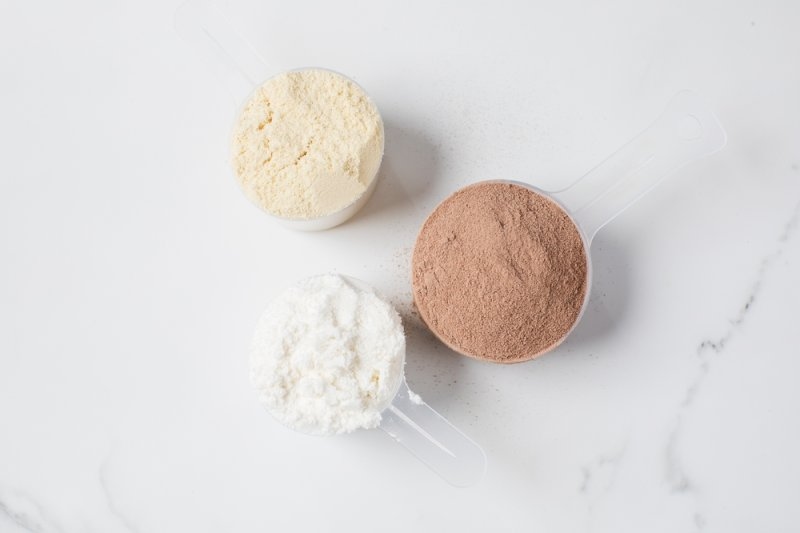
At their core, protein supplements are just concentrated protein, usually in powder form. They can come from milk, peas, soy, rice, eggs, or even collagen. The manufacturing process pulls protein out of the original food, strips away everything else, and dries it out—then adds some flavor or other bits and pieces.
Whey protein comes out of milk during cheese-making. Plant proteins get pulled from things like peas and rice, then turned into powder. The point is, it’s just a way to pack more protein into a convenient scoop.
Plant-Based Protein Powder vs. Whey
Here are key differences between the two kinds of protein powder supplements, plant-based protein powder vs. whey, below:
Whey Protein
Whey’s the gold standard for most people. It’s quick for your body to absorb, and it’s got all the essential amino acids, especially leucine, which is key for building muscle.
Plant-Based Protein
Plant-based blends usually mix pea, rice, hemp, or soy proteins to get the right mix of amino acids. These are perfect for anyone avoiding dairy or going vegetarian or vegan.
So, what’s better? If muscle-building is your main thing, whey takes a slight edge. But if you’re vegetarian, vegan, or have issues with lactose, plant-based options are the way to go.
Try This: High-Protein Diet Guide: Daily Intake, Meals & Best Foods
Best Protein Powders for Beginners
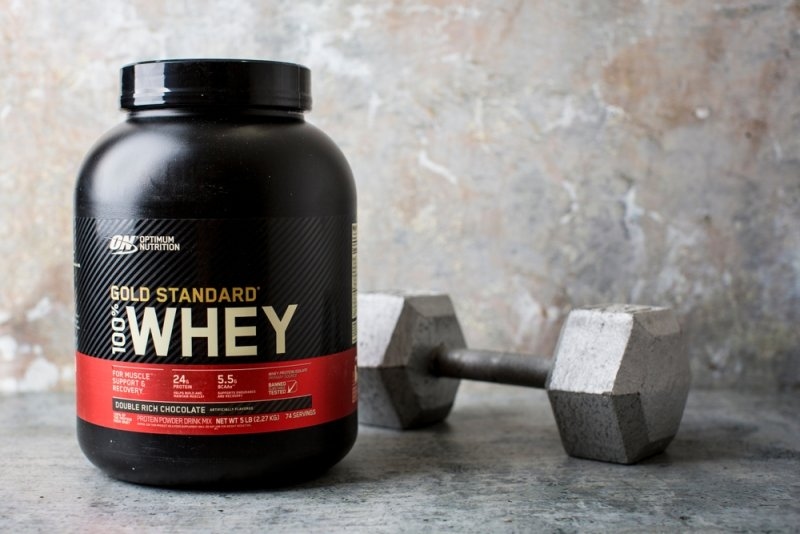
Here are the top 4 protein supplements:
1. Optimum Nutrition Gold Standard Whey
This one’s a classic. People trust it because it mixes easily, tastes good, and quality control is consistent.
- Serving: 31g
- Protein: 24g
- Source: Whey isolate & concentrate
- Flavors: Chocolate, Vanilla
- Good for: Beginners, everyday fitness
- Downside: Contains dairy, some artificial flavors
- Where: Amazon, Walmart, GNC
- Price: $35–$45 (2 lb)
2. Dymatize ISO100
If you want something super clean that digests fast, especially after a hard workout, this is a good pick.
- Serving: 32g
- Protein: 25g
- Source: Hydrolyzed whey isolate
- Flavors: Chocolate, Fruity Pebbles
- Good for: Post-workout
- Downside: Costs more than regular whey
- Where: Amazon, Vitamin Shoppe
- Price: $45–$60 (1.6 lb)
3. Orgain Organic Plant Protein
For vegans or those who want plant-based protein with no junk, this one’s dependable.
- Serving: 46g
- Protein: 21g
- Source: Pea, rice, chia
- Flavors: Chocolate Fudge, Vanilla Bean
- Good for: Plant-based, dairy-free diets
- Downside: Texture’s a little thick
- Where: Costco, Amazon, Target
- Price: $30–$40 (2 lb)
4. Premier Protein Ready-to-Drink Shake
Need protein in a rush? This pre-made shake is perfect for busy mornings or after workouts.
- Size: 11 fl oz | Protein: 30g | Source: Milk protein concentrate
- Flavors: Chocolate, Caramel, Cafe Latte
- Good for: People on the go
- Downside: Can’t customize the mix as you do with powder
- Where: Costco, Walmart, Amazon
- Price: $25–$35 (12-pack)
When to Take Protein Supplements?
Honestly, the total amount of protein you eat each day matters more than the exact timing. Still, a few situations deserve mention:
Right after workouts: Grab 20–40g protein within two hours to help muscles recover.
Between meals: A shake can tame hunger and fill protein gaps, especially if your meals are low in protein.
Before bed: Something slow-digesting (like casein) overnight gives your muscles more building blocks while you sleep.
So, pick the timing that helps you hit your daily target and fits your routine.
Are Protein Supplements Good for You?
For most healthy adults, protein supplements are safe when you use them as directed. They’re handy for athletes, older folks with higher protein needs, vegetarians who don’t get a ton of protein variety, and people trying to hang on to muscle while losing weight.
But remember, supplements don’t replace real food. Things like lean meat, fish, eggs, dairy, beans, nuts, and seeds have other important nutrients protein powders just don’t have.
Do Protein Supplements Make You Fat?
Let’s clear this up: Protein by itself doesn’t make you fat. You gain weight if you eat more calories than you burn, whether those calories come from protein, carbs, or fat. Often people think protein supplements can make you gain weight, but it is not true. Moreover, there are protein supplements for weight loss.
On the flip side, higher-protein diets can make you feel fuller and help with appetite control. That’s why you see protein shakes included in a lot of weight-loss plans—they help you stick to lower-calorie meals.
Must Try: Multiple Sclerosis Diet: Best Foods to Support Your Body
Conclusion
Picking the right protein supplement isn’t complicated if you focus on your personal goal—not just what companies are selling. Whey protein is great for muscle and convenience. Protein supplements for vegetarians, vegans, or anyone who can’t do dairy. Knowing how and when to use protein—and being aware of what makes each kind different—makes it easier to make good nutrition choices.
The products above are solid if you’re just starting, aiming to lose weight, or need something quick and reliable. Just keep in mind, supplements work best when you use them to support a balanced diet, regular workouts, good sleep, and overall healthy habits.
Ready to Pick Your First Protein Supplement? Start with something simple that matches your needs. Try it for a few weeks; see how you feel. Consistency matters more than perfection. The best supplement is the one that fits your life and helps you hit your protein target.
FAQs
Can Teenagers Use Protein Supplements Safely?
Healthy teens who play sports usually get enough protein from food. If they do need a supplement, it’s best to get advice from a doctor, sports dietitian, or pediatrician. The main thing is not to let shakes replace balanced meals.
Is It Better To Mix Protein Powder With Water or Milk?
Water makes a lighter, faster-absorbing shake—good right after exercise. Milk adds more protein, calcium, and calories, so it’s better if you’re trying to gain muscle or want a more filling drink.
Can Protein Supplements Replace Breakfast Every Day?
Once in a while, sure—if you’re short on time. But making it a routine isn’t ideal because you’ll miss out on nutrients from whole foods like oats, fruit, eggs, and yogurt.
How Much Protein Does the Average Adult Need Daily?
Most people need about 0.8 grams per kilogram of body weight daily. If you’re active, aim for 1.2–2.0g/kg, depending on your workouts and goals. Supplements help fill gaps, but food should come first.
Should You Cycle On and Off Protein Supplements?
Nope. There’s no evidence you need to take breaks from protein powder. As long as you’re eating a balanced diet, the product is good quality, and you’re not going overboard with calories, you’re fine to use it regularly.
This content was created by AI