5-HTP Explained: Uses, Health Benefits, and Safety Tips Now

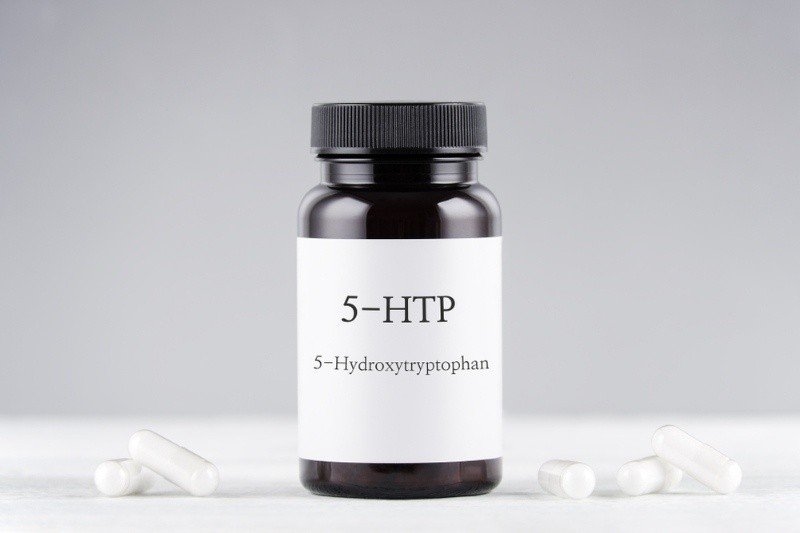
Key Takeaways
- 5-HTP is a naturally occurring amino acid your body uses to make serotonin.
- People take it for mood support, deeper sleep, appetite control, and fewer headaches.
- Research hints it may ease anxiety and mild depression symptoms—but the evidence is still thin.
- Typical doses range from 100 to 300 mg daily, though migraine and weight-loss studies have used much higher amounts.
- Nausea, stomach upset, and drowsiness are the most common side effects, especially at higher doses.
- Talk to a doctor before mixing 5-HTP with antidepressants or anything else that affects serotonin.
You've probably landed here because you're looking for a more natural way to manage your mood or sleep—and 5-HTP keeps popping up in that search. It's a compound your body relies on to build serotonin, and that's exactly why people reach for it when they're feeling anxious, low, or just plain restless at night. So what does 5-HTP do once it's actually in your system? And is it something you should be taking regularly? Let's walk through what 5-HTP is, what it does, its benefits, the side effects worth knowing, and how to pick a decent supplement.
What is 5-HTP?
5-HTP, short for 5-hydroxytryptophan, is an amino acid your body naturally produces from tryptophan. Its main job is helping create serotonin—the neurotransmitter behind mood, sleep, and appetite. Most supplements, though, don't come from tryptophan directly. They're extracted from the seeds of an African plant called griffonia simplicifolia, which happens to be absorbed into the body more easily.
Does 5-HTP Come From Food?
Here's something people get wrong a lot—5-HTP itself isn't found in any food. Your body has to make it from tryptophan, an amino acid that is in food, found in things like turkey, eggs, and cheese. Eating more tryptophan-rich meals, though, doesn't reliably raise your 5-HTP levels the way a supplement does.
What Does 5-HTP Do?
Once you take it, 5-HTP crosses into the brain and gets converted straight into serotonin. That one chemical touches a surprising number of things—your mood, your sleep-wake cycle, and even how hungry you feel. That's the whole appeal, really. People take 5-HTP hoping to feel a little calmer, sleep a little better, or stop reaching for snacks at 11 pm.
5-HTP Benefits Worth Knowing
50-100 mg
Most of what people credit to 5-HTP benefits ties back to that serotonin boost. Some report sleeping better, feeling steadier emotionally, eating less, or getting fewer migraines once they're on it consistently. The research is encouraging, not conclusive—a lot of the trials are small—so it's worth treating 5-HTP as a supplement, not a substitute for actual treatment when something's seriously wrong.
- May support better sleep by helping the body produce more melatonin
- Could help take the edge off appetite for people managing their weight—some studies used doses as high as 750-900 mg for this specific purpose
- Shows up in some studies as mildly mood-lifting, occasionally on par with certain antidepressants in short trials
- May cut down on tension headaches or migraines, with research pointing to daily doses of 400-600 mg for that particular use
- Early findings suggest it may ease fibromyalgia symptoms like pain, stiffness, and fatigue, though this area needs more study
If sleep's been the real problem for you, our piece on natural sleep support strategies digs into a few other angles worth trying alongside 5-HTP.
Is 5-HTP Good for Anxiety?
There's a real link between low serotonin and anxiety, which is why so many people look into 5-HTP for anxiety specifically. A handful of small studies suggest it can take the edge off nervousness by supporting serotonin levels—but "can" is doing a lot of work in that sentence. Some early research actually found that higher doses, above roughly 225 mg a day, seemed to make anxiety worse rather than better. Responses vary a lot from person to person, and it works best paired with therapy, not instead of it.
Can 5-HTP Help with Depression?
Depression and serotonin imbalance are closely connected, so it's no surprise researchers have looked at 5-HTP for depression too. Early trials show it might lift mood modestly—somewhat comparable to certain antidepressants like fluoxetine—in a few short six-to-eight-week studies. That said, most of this research dates back decades and used weaker study designs by today's standards, so it's not something that should replace a treatment plan your doctor has already put you on.
Choosing 5-HTP Supplements
Not all 5-HTP supplements are created equal. Look for third-party testing, a label that actually tells you the dose, and a brand you can trust. Most products fall somewhere between 50mg and 300mg per capsule, and many people start low — around 25 to 50mg — before working up gradually. There's no official recommended daily allowance, so dosing really comes down to what you're using it for and how your body responds.
| Common Form | Typical Dose | Best For |
| Standard capsule | 50-100mg | First-time users |
| Extended-release | 100-200 mg | Sleep support |
| Higher-dose | 200-300 mg | Under medical supervision only |
| Research-level dosing | 400 mg+ | Migraine or weight studies, doctor-supervised |
5-HTP Side Effects to Watch For
Like most supplements, 5-HTP side effects tend to show up more at higher doses. Nausea, stomach cramps, diarrhea, and drowsiness are the usual suspects. At very high doses, some people have also reported confusion, heightened anxiety, or memory trouble—a good reminder that more isn't always better here. There's also a rarer but serious risk—combining 5-HTP with antidepressants or MAOIs can trigger something called serotonin syndrome. Pregnant women and anyone on SSRIs should steer clear unless a doctor says otherwise.
It's also worth knowing that 5-HTP has a bit of a checkered safety history. Back in the 1980s, a contaminant known as "peak X" was linked to a serious neurological condition tied to tryptophan supplements, and a small number of similar cases were later reported with contaminated 5-HTP too. It's rare, but it's exactly why sourcing from a reputable, tested brand matters more than it might seem.
Also Read: How to Choose the Top 4 Protein Supplements in 2026?
Frequently Asked Questions
What is 5-HTP used for?
It's mostly taken to help the body make more serotonin—which is basically why it gets tied to mood, sleep, appetite, and even headache frequency. It comes from tryptophan and is usually pitched as a natural alternative worth trying.
Is 5-HTP safe to take daily?
For most healthy adults, taking it short-term at a moderate dose seems fine. That said, we don't have much long-term safety data yet, and things like nausea can still pop up. Best to run it by a doctor first.
Can 5-HTP cause weight loss?
A little, maybe—it can make you feel fuller and curb appetite by way of serotonin. A few small studies show modest drops in calorie intake. Just don't expect it to be a weight-loss fix-all on its own.
Does 5-HTP interact with medications?
Yes, and this one actually matters—it can interact with antidepressants, migraine drugs, and other serotonin-affecting medications, which raises the risk of serotonin syndrome. Always loop in a healthcare provider before mixing it with prescriptions.
How long does 5-HTP take to work?
For most people, it takes somewhere between one and two weeks of consistent use before mood or sleep starts shifting—though everyone's timeline looks a bit different. Appetite tends to change faster than mood does.
This content was created by AI