What is Occupational Therapy vs. Physical Therapy?

Key Takeaways
- First, figure out your main challenge. Is it movement or strength? Maybe balance—or just getting through your everyday routine on your own.
- Know the difference between PT (physical therapy) and OT (occupational therapy) before you decide on anything.
- If your main problem is pain, mobility, or getting your body moving again, physical therapy’s your go-to.
- If you’re struggling with self-care, work, or daily tasks, occupational therapy’s the better fit.
- However, don't just assume; get talking to your doctor or a professional in the area to help you work out the best choice for you.
People ask about occupational therapy vs. physical therapy all the time, especially after an injury, surgery, or stroke or when dealing with ongoing health issues. Both types help you regain independence and a better quality of life, but they look at recovery from different angles.
Here’s something interesting: careers in both physical and occupational therapy are taking off, according to the U.S. Bureau of Labor Statistics.
That growth is thanks to our aging population, more sports injuries, rising neurological problems, and a bigger need for long-term rehab.
If you’ve ever wondered, "Should I pick PT or OT?"—you’re definitely not alone. In this article, you’ll see how PT and OT are different, what each treatment involves, and how you can take advantage of both depending on your needs.
What is Physical Therapy?
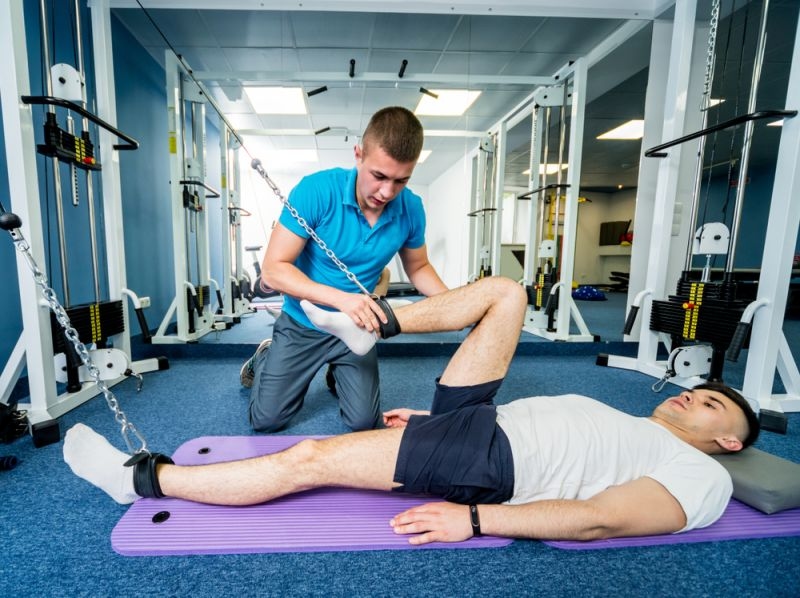
Physical therapy can be defined as the act of taking care of your physical well-being that helps to improve your motion, power, flexibility, and ability to coordinate, build your power, etc. Physical therapists work with people after injuries, surgeries, or conditions that affect how you get around.
What Does a Physical Therapist Do?
A physical therapist watches how you move, pinpoints what’s holding you back, and creates a plan to cut your pain and get you moving better. Their main goal? Make your body work for you—not against you. Physical Therapy can heal you faster if practiced constantly under supervision.
Here’s what they often use
- Exercises
- Stretching routines
- Strength training
- Balance and walking drills
- Hands-on therapy
- Joint mobilization
- Rehab after surgery
Let’s say you had a knee replacement or a bad sports injury. Typically, the first stop is physical therapy to help you regain strength and the ability to move before hopping back into your usual routine.
What is Occupational Therapy?
Occupational therapy is about your daily life—helping you do things like dress yourself, shower, cook, write, work, drive, or enjoy hobbies. They call these “occupations,” and it doesn’t just mean your job.
What Does an Occupational Therapist Do?
These therapists figure out how problems with your body, mind, or senses are making everyday activities harder. Next, they look at ways to help you become more independent.
These include the use of
- Fine motor training
- Hand and arm therapy
- Adapted tools and equipment
- Cognitive training and memory aid strategies
- Sensory integration activities
- Recommendations for modifications to the home or work environment
- Practice on a range of daily activities
Perhaps you've had a stroke and are finding you struggle with the simple act of buttoning your shirt or cooking a meal. Occupational therapy can get you back on track by helping you practice the steps and regain control over routine tasks.
What is the Difference Between Physical Therapy and Occupational Therapy?

The easiest and simplest way to distinguish between Occupational Therapy vs. Physical Therapy is this: Physical Therapy concentrates on how you move. Occupational Therapy concentrates on how you complete tasks to get your job done throughout your day. Here is a breakdown that helps differentiate PT vs. OT
Physical Therapy
- Goal—Rebuild movement, balance, and mobility.
- Focuses on joints, muscles, and movement.
- Treatments: Post-surgical patients, sports injuries, and patients with poor movement and balance.
- Uses: Exercises for mobility.
Occupational Therapy
- Goal - Restore function for daily living tasks and promote independence.
- Focuses on -- fine motor function, handwriting, work activities and home activities.
- Treats: Stroke victims, Arthritis, Hand/Developmental injuries.
- Uses -- Task-oriented practice and adaptive aids and techniques.
Physical Therapy vs Occupational Therapy for Injuries
Choosing between PT and OT depends on what’s toughest for you right now.
Go with physical therapy if
- Walking or standing is hard
- Movement causes pain
- You need to get strength back after surgery.
- Your balance is off
- You're bouncing back from a sports or orthopedic injury
Go with occupational therapy if
- Dressing, bathing, or cooking feels overwhelming
- Trouble using hands or arms gets in the way
- You need special devices or changes at home for independence
- Cognitive or sensory problems are scrambling your day
- You’re trying to get back to work or school but need specific training
In lots of cases, people use both types—especially after big injuries or neurological problems. They work together for a more complete recovery.
Physical Therapy Benefits
Physical therapy isn’t just for healing injuries. It can help keep you moving long-term and even cut down on pain meds.
Physical Therapy can help with the following
- Less pain and stiffness
- Stronger muscles and better endurance
- Improved balance and preventing falls
- Faster recovery from surgery
- Greater flexibility and range of motion
- Better athletic ability
- Less reliance on pain drugs
It can be taken as a supplement or as a course of physical therapy treatment and works when pain management is required for arthritis, back pain, or anyone who finds moving is becoming increasingly difficult.
Occupational Therapy Benefits
Occupational therapy is all about making life easier and more manageable. Here’s what you get from occupational therapy treatment
- Do more daily activities solo
- Better hand control and coordination
- Brain boosts for organization and memory
- Safer home and work environment
- Get back to hobbies and social life
- Take some pressure off your family caregivers
For anyone whose challenges go beyond movement—like handling day-to-day tasks—OT really makes a difference.
When To See a Physical Therapist vs Occupational Therapist
Knowing who to see helps you get the right help faster.
Consult your Physical Therapist for
- Pain in the back or neck
- Joint injury
- Weakness
- Trouble walking
- Sports injuries
- Range of motion after surgery
Consult an Occupational Therapist for
- Difficulties with dressing or bathing
- Injury affecting hand or wrist for basic tasks
- Functional limitations post-stroke
- Sensory or developmental deficits
- Difficulties at home or work with tasks following cognitive changes
It can be hard to decide; ask your doctor or rehab team if you are unsure. They’ll steer you toward the right therapy for your goals.
What are the PT and OT Differences in Real Life?
Let’s say you injure your shoulder. The physical therapist focuses on movement—reducing pain, restoring your arm’s range, and building muscle strength. The occupational therapist steps in when you’re trying to cook, type, drive, or dress yourself without hurting.
Both therapists are important—usually, you’ll need help from both sides to really get back on track.
Conclusion
Understanding the differences between occupational therapy and physical therapy helps you pick the right type of care. PT gets your body moving again; OT gets you doing the things you need and want to do, day in and day out.
We’ve gone over the nitty-gritty—who does what, when to see which specialist, and how both therapies work together. It really comes down to this: Are you struggling to move your body or to use your body in daily life? Knowing where your main challenges lie helps you heal faster and get your independence back sooner.
Don’t guess about rehab. Reach out to a professional who can figure out what you need and point you toward the best therapy—or both. There are tons of resources and info at Injection.com to help you understand your options and make choices that support your recovery.
Ready for the next step? Talk to a rehab specialist who’ll look at your symptoms, your goals, and your daily challenges—and put together a plan to get your independence back.
FAQs
Can Physical Therapy and Occupational Therapy Happen at the Same Time?
Yes. Many people do both—PT works on your strength and movement, while OT helps you use those skills in daily life. It’s often more effective to combine them.
Is Occupational Therapy Just for Kids?
Not at all. Adults and seniors use OT, too. Whether it’s for stroke recovery, arthritis, hand injuries, neurological problems, or coping with everyday life as you age, OT is valuable at any age.
Does Insurance Cover PT and OT?
Many plans do, including Medicare and workers’ comp, when it’s medically necessary. Policies can set limits or require referrals, so always double-check with your provider and talk to your care team about what's covered.
How Long Does Rehab Usually Last?
There’s no set timeline. Some people bounce back in a few weeks; others need months. Your progress depends on your condition, how severe it is, your health, and your goals. Sticking to your home and therapy exercises pays off in faster, better results.
Which Therapy is Better After a Stroke?
There’s no one-size-fits-all answer. Physical therapy helps you walk, balance, and build strength, while occupational therapy helps you regain daily independence and hand skills. Most stroke recovery plans use both PT and OT for the best possible outcome.
This content was created by AI