An Ultimate Silent Heart Attack Symptoms and Recovery Guide

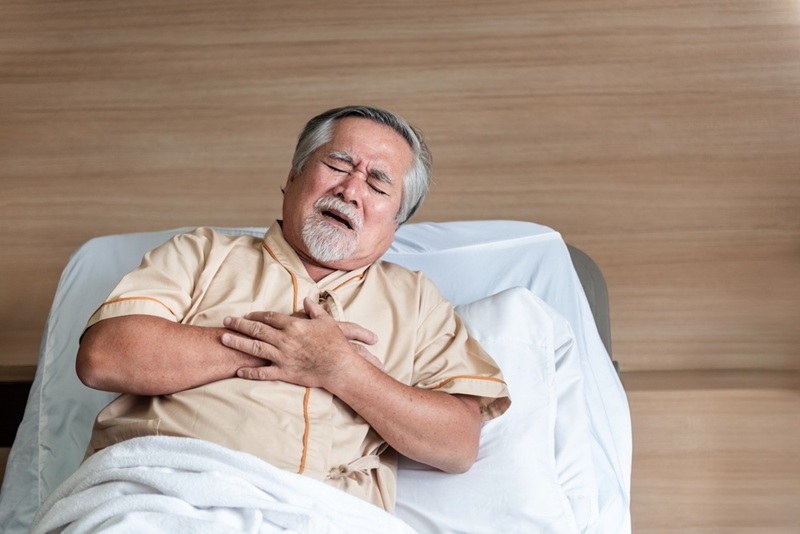
Even without dramatic chest pain, you can still have a silent heart attack. Some people experience mild chest pressure, fatigue, or trouble breathing and overlook these signs. If they go unrecognized or ignored, the condition may be hard to treat, leading to greater damage. Knowing the early hidden heart attack signs, causes, and how to recover can protect your heart health before serious damage has been caused.
Causes and Risk Factors for Silent Heart Attack
A heart attack occurs if the blood flow to the heart is blocked. When the blood supply to the heart is stopped, it does not have the necessary oxygen, and the heart muscle starts to be damaged. The accumulation of cholesterol levels in the arteries, smoking, lack of exercise, being overweight, and being stressed can increase your chances of developing the condition over a period of time.
Diabetic patients have a greater risk of having a silent heart attack, due to damage to nerves within the body, they have a reduced sensation of pain, which means that it could be unnoticed within the body. You can also be at greater risk of suffering a heart attack if there is a history of heart disease in the family; this may influence a doctor to check and screen your levels more regularly than a patient without such a history.
Sleep deprivation and excessive stress can silently and slowly damage your cardiovascular health, as many individuals fail to recognize that unhealthy eating habits, lifestyle, and exercise choices are putting too much pressure on their hearts over many years. Making a change now can make all the difference for the future of your heart.
Mild Symptoms Are Common
A silent heart attack is often missed, as you don't experience an emergency situation that requires urgent care. This means that people can carry on their everyday activities due to seemingly insignificant symptoms that may or may not be linked to their heart. This includes heart attack without chest pain, shortness of breath, sudden bouts of sweating, nausea, or unusual tiredness, and pain in the jaw, neck, shoulder, or upper back may also be present.
These symptoms are unlike classic heart attacks, which tend to have more prominent pain, and this can be difficult to diagnose if they come and go in frequency. These symptoms are most likely present in the elderly, women, and diabetic patients, as there is an increased likelihood of suffering from these types of subtle symptoms. Patients may only realize they have had a heart attack upon a routine scan or medical check-up.
Mild Heart Attack Symptoms That Are Easily Ignored
These hidden heart attack signs of a silent heart attack can be easily overlooked, and most are likely ignored as symptoms that can be associated with everyday life. The chest pain associated with a heart attack could be interpreted as heartburn or muscle ache, and cardiac warning symptoms like being tired could be mistaken for being stressed.
A mild loss of breath during physical activity, such as carrying bags or walking upstairs, can also be considered a normal experience. Light-headedness and sweating are more potential indicators.
This may be particularly prevalent during sleep. A patient may wake up with slight discomfort, nausea, and weakness. Doctors can often diagnose a heart attack by finding damage that occurred a number of years previously.

Diagnosis of a Silent Heart Attack
ECGs can demonstrate that past heart damage has occurred and help doctors diagnose an earlier heart attack. Blood tests may be conducted, which would allow doctors to see the increase of proteins released in the blood when heart tissue has been damaged. Echocardiograms or CT scans are other diagnostic tests that doctors can undertake.
Even a minor silent heart attack, if not treated, will have adverse effects on your heart and will increase your risk of undetected cardiac events. Patients who suffer from these unexplained cardiac warning symptoms and are unable to account for the discomfort they are feeling, such as being unduly tired, breathing problems, or slight chest pains, need to seek urgent medical attention.
Recovery from a Silent Heart Attack
If the heart attack is not spotted and then treated appropriately, long-term effects may be observed in terms of having a weaker heart and a higher risk of developing heart disease. Some people who have suffered a heart attack are prescribed medication such as blood thinners or cholesterol-lowering medication, both of which prevent damage.
It is essential for patients to incorporate healthy habits into their daily routine, such as quitting smoking, following a balanced diet, trying to relieve stress, exercising, and generally maintaining healthy standards. Even light exercise, such as daily walking, can strengthen your heart muscle significantly over a few weeks. Cardiac rehabilitation can be highly effective, as it incorporates exercise, nutrition, and psychological care, with emphasis placed on recovery.
Healthy Lifestyle Choices that Help Reduce the Risk
Protecting your heart health begins with regular medical examinations and monitoring. High blood pressure, high levels of cholesterol, and diabetes can often be screened effectively by doctors and health experts; these can all have an effect on your long-term heart health. It may be that by screening your health, these underlying conditions that lead to a blocked heart muscle can be screened appropriately.
- A balanced diet involving a significant amount of vegetables, fruit, and whole grains, with smaller portions of animal products such as lean meat. Reducing the amount of processed food and drinks with sugar is beneficial in reducing the risks of developing blocked arteries and cholesterol buildup. Thirty minutes a day of physical activity helps to keep your body active and also your heart.
- Stress management can improve your health and lower your blood pressure. The effect of constant stress puts an extreme amount of pressure on your cardiovascular health and can often be the contributing factor for poor dietary choices, such as overeating and smoking. Enjoying a good sleep each night can allow your body and heart to rest and recover from daily stresses. Relaxation therapy can also benefit you, as does regular exercise, both mental and physical.
- Those who suffer from a family history of heart disease should discuss with their doctor any preventative steps that can be taken. It may well be that symptoms are minor, but it is vital to see a medical professional if you do not know the cause of the symptoms you are experiencing, so that the underlying condition can be treated appropriately to avoid further risk of having a silent heart attack.
Conclusion
It can be easy for individuals to dismiss mild heart attack symptoms due to how subtle the pain can be. Often, it can go completely unnoticed, and it isn't until a problem arises further down the line, such as heart failure, that this comes to light. You may experience symptoms that aren't clearly associated with having a heart attack, but that doesn't mean they should be ignored. By understanding the subtle signs and being proactive in taking care of yourself, you can reduce your future risk of suffering from a heart attack.
FAQs
Is a silent heart attack caused by stress?
Excessive and prolonged stress contributes to high blood pressure, inflammation, and unhelpful behaviors, all of which influence the health of your heart. Stress alone doesn't directly cause this heart attack, but it increases the chances of having a cardiovascular event. Regular exercise, a good night's sleep, and stress reduction practices might all help to limit cardiovascular events.
Are silent heart attacks more common in older adults?
Yes. Older adults tend to develop a silent attack more easily than younger adults, as the symptoms experienced could be slightly different, for example, confusion, weakness, or mild discomfort as opposed to sharp chest pain. Medical conditions could also make symptoms less obvious.
Does exercise help prevent silent heart attacks?
Through regular physical activity, circulation to the blood improves, the body is kept at a more sensible weight, cholesterol is controlled, and the heart gets stronger. Activities like walking, cycling, or swimming, as well as some light weight training, can reduce the risk of the blood flow through arteries being blocked, but can't guarantee prevention from having an attack.
How long can a silent attack remain undiscovered?
An older person can live for several months or years without knowing that they have already had a silent heart attack. Such heart damage is usually found on routine tests or scans at the doctor's surgery. Despite an undiagnosed event in the past, future protection can be obtained by receiving ongoing medical care.
This content was created by AI