Nonalcoholic Steatohepatitis (NASH) Symptoms, Causes & Care


The liver does quite a lot of work. It filters waste, helps digestion, stores energy, and balances chemicals. Most people barely think about it until something feels off. That is part of the problem with Nonalcoholic Steatohepatitis (NASH) — it often develops slowly, sometimes silently.
NASH is a serious form of fatty liver disease where fat builds up in the liver, but inflammation and liver damage begin to occur. Unlike alcohol-related liver problems, this condition develops in people who drink little or no alcohol. Some people never notice symptoms for years. Others start feeling tired, heavy, and uncomfortable without understanding why.
Risk grows with obesity, diabetes, poor diet, high cholesterol, or metabolic problems. Yet even people who seem healthy sometimes get it. In this blog, we will talk about Nonalcoholic Steatohepatitis (NASH) symptoms, causes, stages, treatment options, care tips, plus common questions people often ask.
What You Should Know About Nonalcoholic Steatohepatitis (NASH)
Many people confuse simple fatty liver with NASH. They are related, but not the same thing. In regular fatty liver disease, fat sits inside the liver. Damage may be minimal. NASH goes further — inflammation begins, liver cells become injured, and scar tissue may slowly form.
This is why doctors take it seriously. The condition can worsen quietly for years before becoming obvious.
A person may have NASH without realizing it. Blood tests might look slightly abnormal. Sometimes it gets spotted during scans for another issue. Strange, but common.
How NASH Liver Disease Slowly Affects the Body
The liver can handle stress for a long time. That makes liver diseases tricky. In NASH liver disease, fat buildup triggers irritation inside the liver tissue. If inflammation sticks around for too long, it leaves scars on your liver.
In some cases, things can get pretty serious:
- First, there’s liver fibrosis. That’s when scar tissue slowly creeps in and starts to crowd out the healthy liver cells. Usually, there aren’t any early warning signs, so regular checkups matter. Most people only notice issues once things get worse.
- When scarring gets worse, you hit the next stage: cirrhosis. Now, the liver is so marked up that it can’t do its work properly, and all sorts of health issues can show up fast.
Common Symptoms of NASH Disease You Should Notice
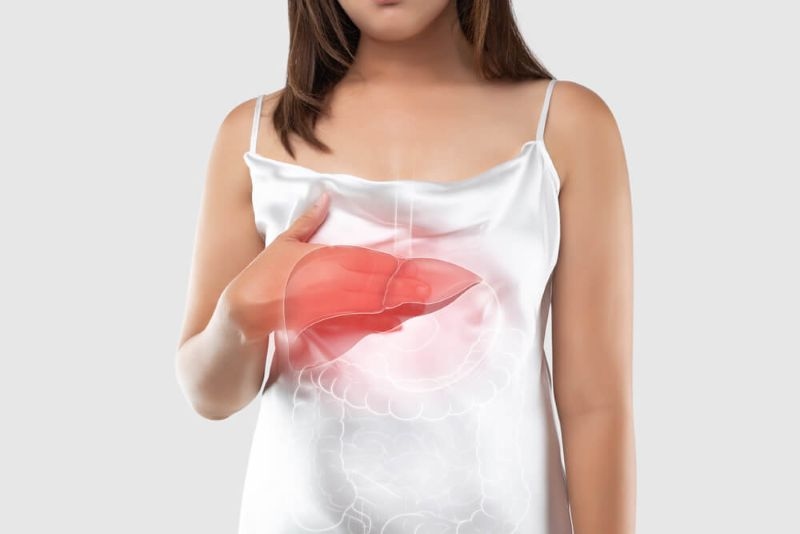
One frustrating thing about NASH — symptoms can stay mild or hidden for years. Some people feel perfectly normal. Others notice small changes but ignore them.
Early Symptoms of NASH Disease Often Overlooked
In the beginning, symptoms are usually vague. Easy to dismiss.
You might experience:
- Some signs people notice: You feel exhausted all the time, and even a good night’s sleep doesn’t help. That regular energy just isn’t there, and it’s hard to figure out why.
- There’s often a mild, dull ache or discomfort in your upper right stomach area – sometimes it comes and goes.
- Simple daily tasks start feeling heavy, and you might feel sluggish for months on end.
Symptoms That May Show Up in Later Stages
As liver damage grows, symptoms become harder to ignore. Still, changes vary from person to person.
Signs to watch for: swelling in your stomach or legs, your skin or eyes turning yellow, losing weight without trying, itchy skin, confusion, or bruising easily. By this point, liver damage may already be serious. Which is why catching it early matters.
Understanding the Stages of NASH
The stages of NASH do not appear overnight. Disease progression usually happens slowly. Years sometimes.
Fatty Liver and Early Inflammation Stage
This stage starts with fat buildup inside liver cells. Some inflammation may begin, but damage remains limited. Many people still have no symptoms. At this point, lab results might look okay, and everything seems fine on the surface, but real damage is happening behind the scenes.
Fibrosis and Scar Tissue Formation
When inflammation sticks around, scar tissue starts to build up in the liver—a process called fibrosis. At this point, lab results might look okay, and everything seems fine on the surface, but real damage is happening behind the scenes.
Scarring can be mild, or it can get worse. Some patients stay stable for years while others progress faster.
Advanced Cirrhosis Stage
Severe scarring changes the liver structure completely. When the scarring gets severe, that’s cirrhosis. Cirrhosis makes it hard for the liver to do its job.
At this point, complications may include fluid retention, internal bleeding risk, confusion, severe weakness, or liver failure. Treatment becomes more complicated.
Causes of NASH Fatty Liver and Risk Factors
Doctors still do not know the exact reason why NASH happens. It seems linked to several health issues working together.
The causes of NASH fatty liver often connect to lifestyle, metabolism, and underlying medical conditions.
Some health issues make NASH more likely. For example, having type 2 diabetes—especially when blood sugar stays high over time—raises your risk.
- Risk factors include type 2 diabetes, especially when blood sugar stays high for a long time.
- High blood sugar messes with how your liver handles fat.
- Carrying extra weight—especially around your belly—ups inflammation throughout your body. High cholesterol or triglycerides can overload the liver with fat.
- And if you’ve got metabolic syndrome? That’s when high blood pressure, extra weight, cholesterol problems, and blood sugar issues all show up together. It’s a bigger risk for your liver.
Must Read: Common Symptoms of Alpha-Gal Syndrome & Do They Go Away?
Conclusion
A NASH diagnosis feels worrying at first. Understandably. But it does not automatically mean severe liver failure is coming. Many people experience slow progression through healthier habits, weight management, routine checkups, and better control of related health conditions. The earlier changes happen, the better outcomes tend to be. Waiting usually makes things harder.
FAQs
Is NASH a serious liver disease?
Yes, NASH can get serious if you don’t take it seriously. NASH can lead to liver scarring, cirrhosis, even liver failure or liver cancer if you let it go. But here’s the good news: when you catch it early and make some healthy choices, you can slow down or even limit the damage.
Can you live a long life with NASH?
Plenty of people with NASH go on to live long, full lives—especially if they find out early and take care of themselves. Keeping your weight steady, managing diabetes and cholesterol, staying active, and seeing your doctor regularly all go a long way toward protecting your liver.
What is the difference between fatty liver disease and NASH?
Fatty liver disease means there’s fat in your liver, but not much inflammation. NASH is worse—the fat causes inflammation and damage to liver cells, and that raises your risk for scarring and worse complications.
Can NASH be reversed naturally?
Sometimes, early NASH gets better if you lose weight, eat well, exercise, and control your blood sugar. When there’s a lot of scarring, it’s tougher to reverse, but healthy habits still slow things down.
This content was created by AI